A tough stretch
If you are going through a tough stretch, I can see you more often. What changed, and why…
Upper West Side & Union Square Offices
If you need to be seen soon, I offer same-day visits when available. I can't guarantee one.
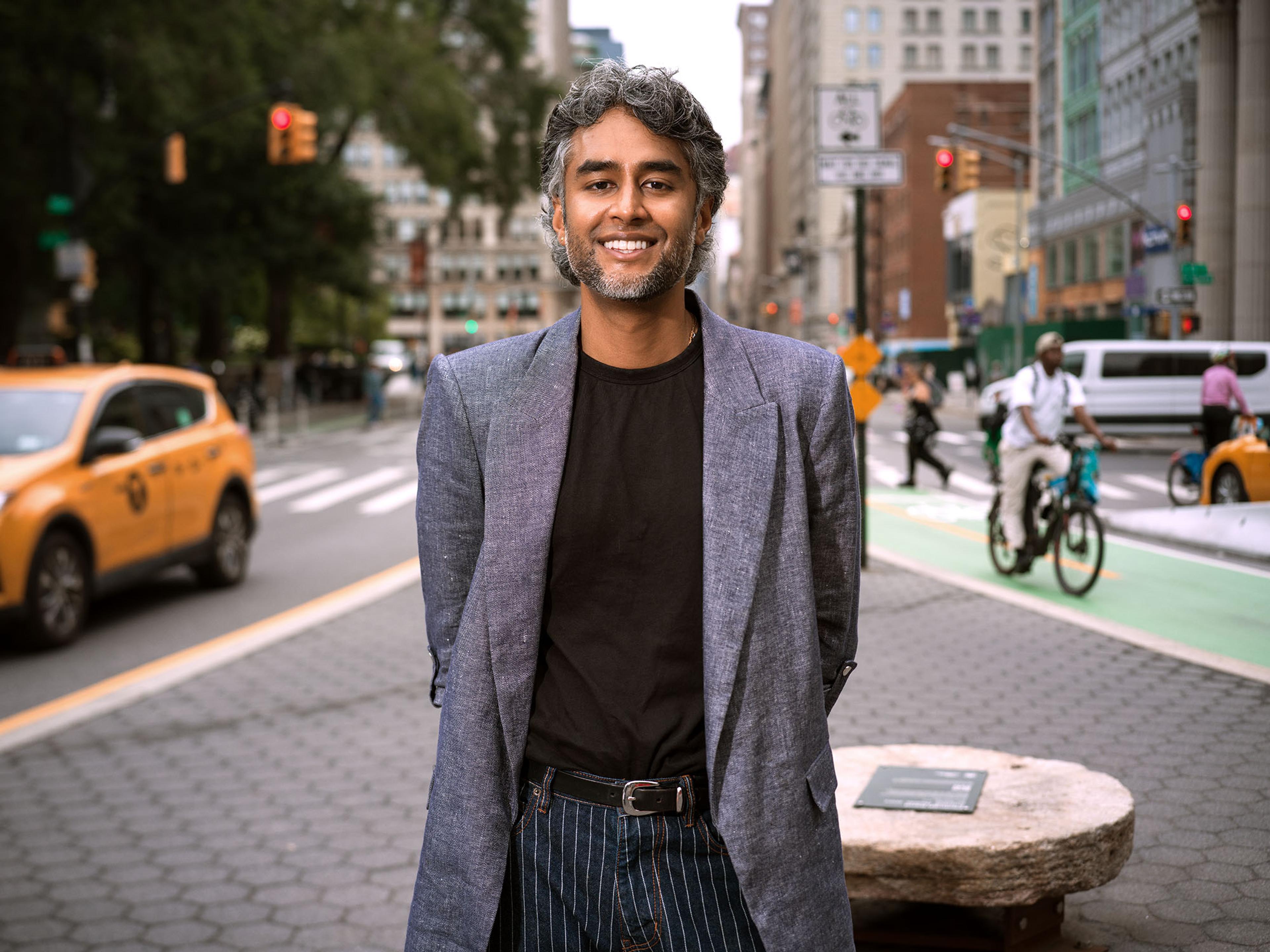
Dr. Kavin Fatehchand, MD-PhD
MD-PhD psychiatrist — New York
This is not an emergency practice. If you are experiencing an emergency, call 911, or call or text 988 for the Suicide & Crisis Lifeline.
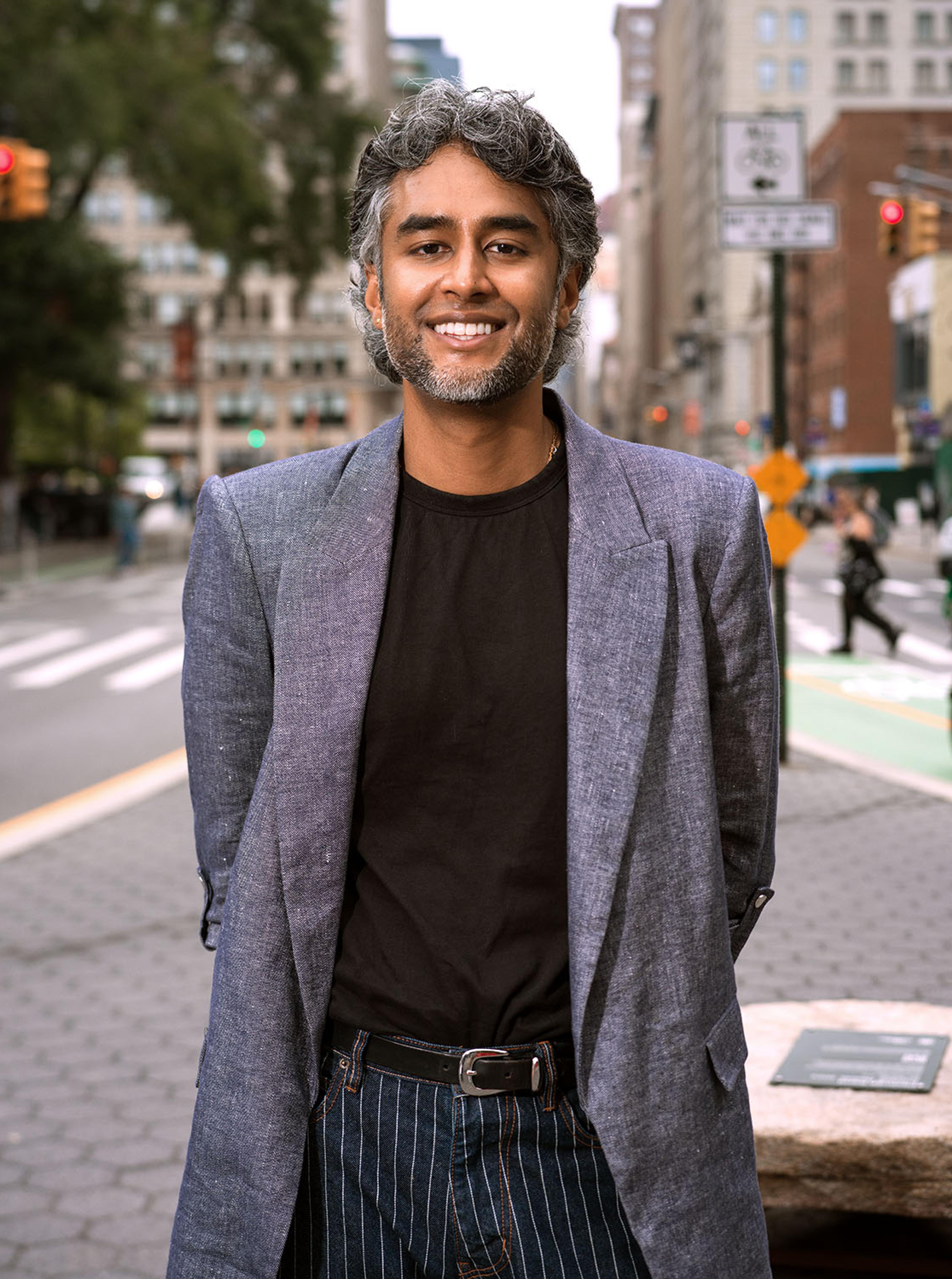
Dr. Kavin Fatehchand, MD-PhD
MD-PhD psychiatrist — New York
My clinic allows for significant flexibility.
A dose reaction or a hard week doesn't wait for the next appointment.
I deliberately carry a small panel of patients, so I sometimes have room on short notice.
Same-day visits happen when available. If I can't see you that day, I'll tell you plainly and we'll find the next time that works.
I see patients in person in Manhattan, at Union Square and on the Upper West Side.

Same-day visits happen when available.
Time is the most important part of our relationship.
At my clinic, you get real time to tell your story before we decide on anything. At my concierge practice we both have time to notice what's changed and why, instead of renewing a prescription and moving on.
We have time to get to know each other, through the ups and downs. Nothing gets re-explained from scratch to a stranger, because the person watching was already in the room.
You don't need a referral to reach out to me directly. Call (917) 300-8998 or send a message. If you're already my patient, you reach me directly — by phone or text — within a frame we set together at the start, and I get back to you within 24 hours.
Leave a number and a little of your story — I'll reach out, and we can start with a real conversation instead of a rushed intake.
Not for emergencies: call 911, or call or text 988.
These are situations inside a life — not labels to slot you into.
Tell me what's going on, and I'll tell you honestly how soon I can see you.
Call (917) 300-8998 or send a message.
A concierge evaluation is different than what you've experienced at a psychiatry office, before. It's the first step towards developing a genuine relationship.
I spend the first session on the big picture:
1) Who are you? I want to know the whole person sitting in front of me, not just a symptom list. You'll tell me about your work, your relationships, your family, and your identity.
2) What's happening in your life right now that's causing you to seek help? And why now? What changed?
3) What have you already tried, and where did previous treatments stall out? That history is data, not failure. Bring records and medication lists if you have them — or just bring your story.
Two things can be true: you need to be seen soon, and what's going on may take more than one visit to understand. When medication seems like a good option, I provide psycho-education and we decide on a course together.
If it becomes an emergency before we meet, call 911, or call or text 988.
You don't need a polished summary or the right clinical words — just tell me what's been happening, and what's changed.
We'll make sense of it together, at a pace that fits your life. If you're curious, that's enough to start.
I'm Dr. Kavin Fatehchand — an MD-PhD psychiatrist in New York. I’m queer, and South Asian.
I'm an MD-PhD. Psychiatry wasn’t always on my mind. But that work taught me to trace and uncover systems of reward, communication, and disease. In my New York clinic I look for similar patterns, but there are no microscopes involved.
I am in private practice because it allows me to track and understand the whole patient sitting across from me. I’m not a checklist that resets each visit. We make sense of your struggles over time, creating a deep relationship.
My prescribing philosophy is less-is-more — I'd rather understand the drivers and peel back than keep adding.