Upper West Side & Union Square Offices
Autism Psychiatrist in New York City
For late-diagnosed autistic adults and teens with lower support needs, and for anyone wondering whether the word fits.
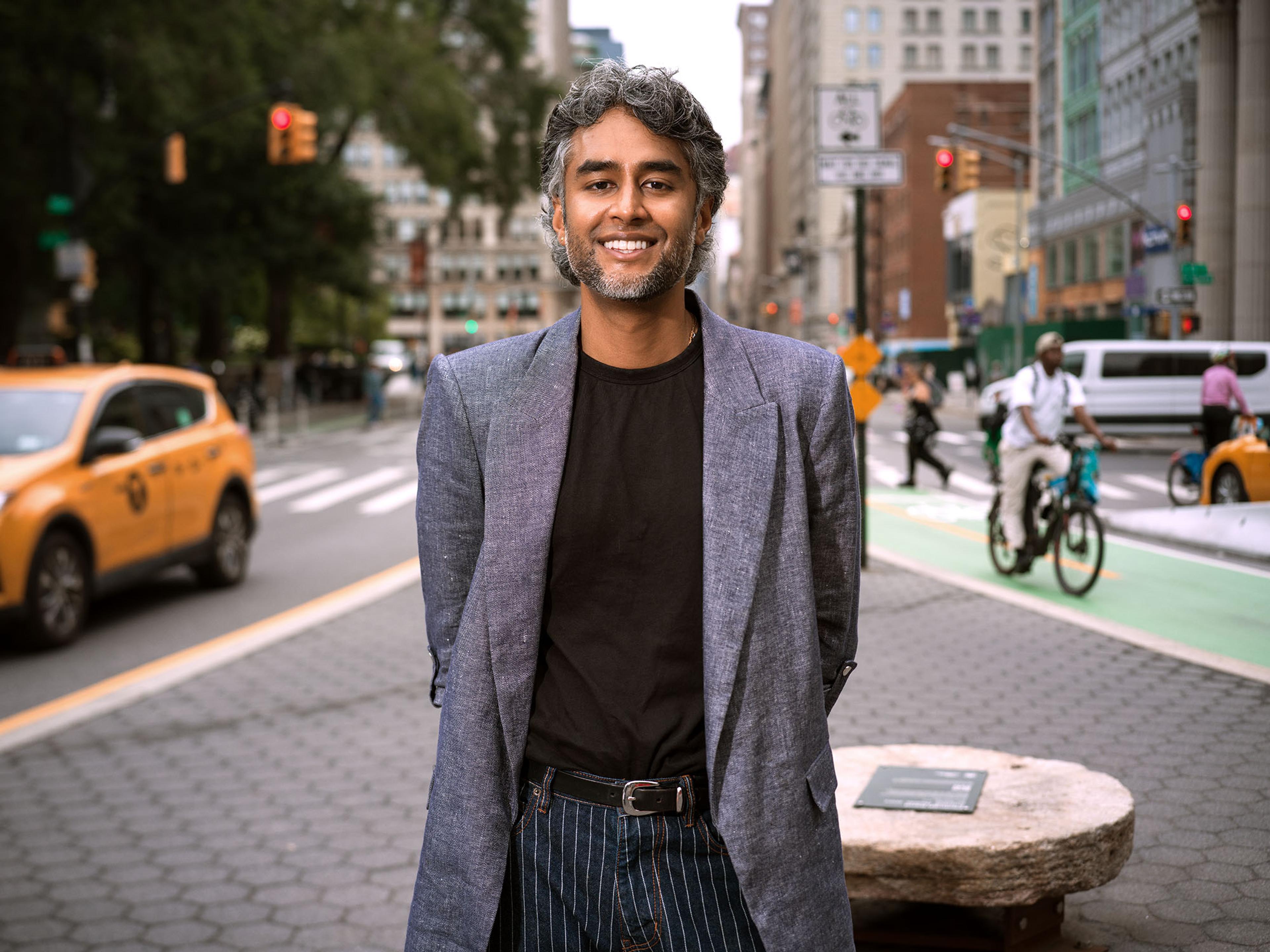
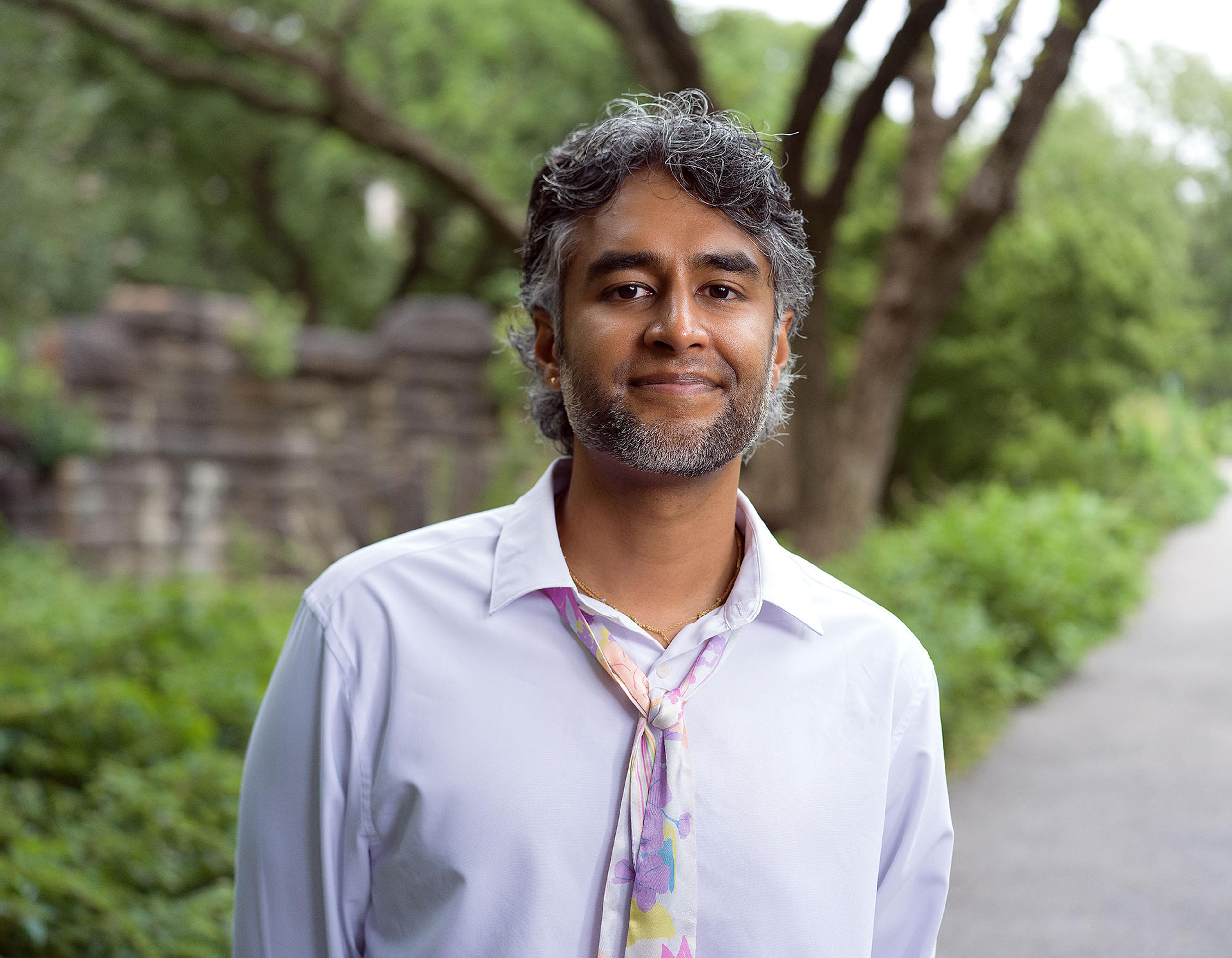
Dr. Kavin Fatehchand, MD-PhD
MD-PhD psychiatrist — New York
Some autistic people need more support than I can give in an outpatient practice. Severe autism and acute behavioral crises need a different setting, and I'll help you get there when that's the right call.
- Late-diagnosed adults & teens
- Lower support needs
- Stories before labels
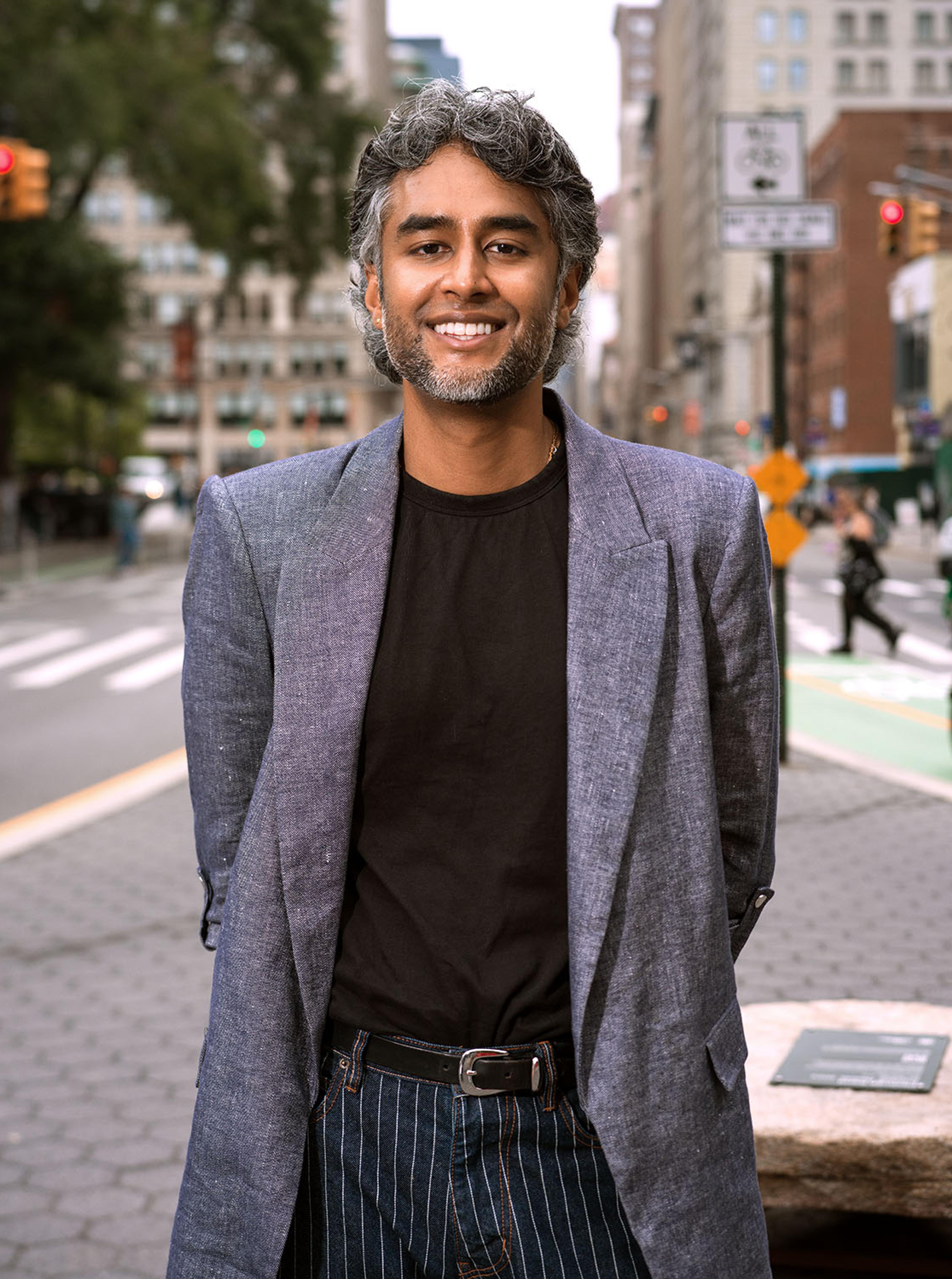
Dr. Kavin Fatehchand, MD-PhD
MD-PhD psychiatrist — New York
Autism Psychiatry in Manhattan, New York
A Late Diagnosis Is a Starting Point
If you've suspected something for years and never had a doctor sit with the whole story, let's do that — carefully, at your pace, in conversation.
"I was fine in school but work is falling apart." Intelligence and structure covered for you until the scaffolding disappeared.
Doing well early doesn't rule autism out.
I'm curious about what the achievement cost you, and I see how masking hides real cost: exhaustion, shame, a life run on panic.
I see patients in person in Manhattan, at Union Square and on the Upper West Side.
Need to Be Seen Soon?
Same-day visits happen when available.
The Concierge Difference
Someone Who Notices What Changes
Symptoms move. I track those shifts session to session instead of resetting each visit.
I see the same person from one visit to the next, so I notice what's shifted — sleep, mood, a new city, a job that changed everything. Nothing gets re-explained from scratch to a stranger, because the person watching was already in the room.
What I aim to understand is how this fits into your life story, from your childhood to today. There's the diagnosis, and then there's the story of how everything fits together — culture, trauma, biology, the systems you live in.
I formulate out loud, so you always know what I'm thinking and why. You won't have to guess what I mean or read between the lines.
If you're curious, let's talk
Leave a number and a little of your story — I'll reach out, and we can start with a real conversation instead of a rushed intake.
Not for emergencies: call 911, or call or text 988.
What I Help Adults & Teens Make Sense Of
These are situations inside a life — not labels to slot you into.
Wondering if you're autistic
Masking at work
Autistic burnout
Sensory overload
Anxiety and low mood
Autism and ADHD together
Autistic and queer
When you need more support
At your own pace
"I want someone who actually gets it"
We start by making sense of the story, together — then decide what belongs in the plan.
The first step is understanding your whole story, not managing a symptom. If you're curious, let's talk.
How I Actually Practice
Before We Name It, Let's Understand It
Why now? What's changed? Is it biology, trauma, the systems you live in — or all three? A real diagnosis is a conversation — a thorough interview and developmental history. In many cases, the patterns have been present early and show up in more than one setting — work, home, relationships.
Anxiety, trauma, and ADHD can look a lot like autism, and autism can hide behind any of those. Sometimes an honest evaluation concludes it isn't autism — that's not a failure, it's the evaluation working.
A late diagnosis can be a relief. It can also bring grief for the years before it. Both can be true at once.
A diagnosis can explain a lot. It won't explain everything, and I can't promise what it will change. You are more than a diagnosis.
Questions People Ask Before We Begin
Reach Out To Learn More
If "I'm exhausted from trying to hold it all together" sounds like you, that's exactly where we begin. You don't need a polished summary or the right clinical words — just tell me what's been happening, and what's changed.
We'll make sense of it together, at a pace that fits your life.
About the Doctor
About Dr. Kavin Fatehchand
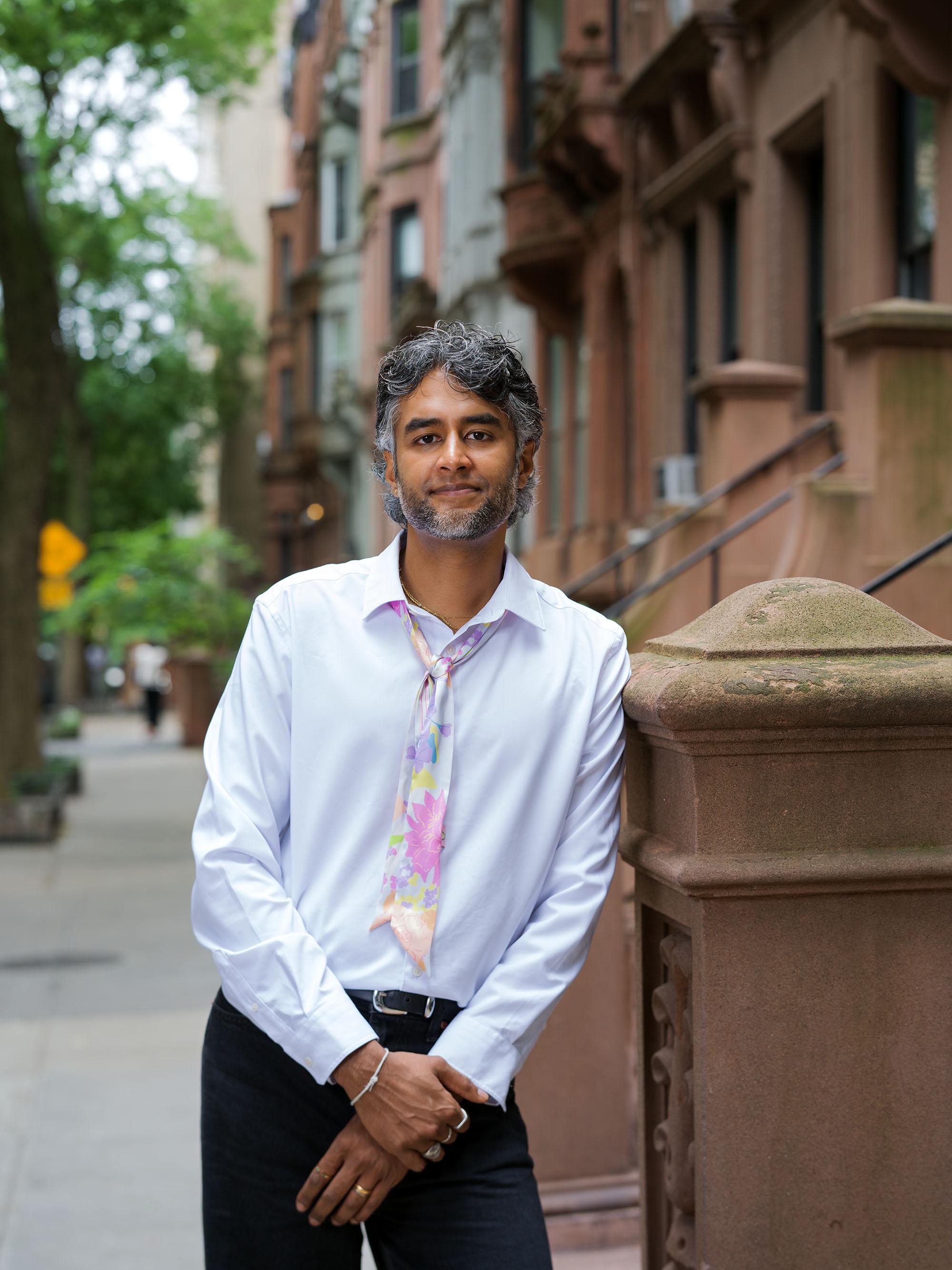
I'm Dr. Kavin Fatehchand — an MD-PhD psychiatrist in New York. I’m queer, and South Asian.
I'm an MD-PhD. Psychiatry wasn’t always on my mind. But that work taught me to trace and uncover systems of reward, communication, and disease. In my New York clinic I look for similar patterns, but there are no microscopes involved.
I am in private practice because it allows me to track and understand the whole patient sitting across from me. I’m not a checklist that resets each visit. We make sense of your struggles over time, creating a deep relationship.
My prescribing philosophy is less-is-more — I'd rather understand the drivers and peel back than keep adding.