PTSD & trauma psychiatrist, New York City
PTSD & Trauma Psychiatrist in NYC
Treatment for PTSD and complex trauma — Upper West Side & Union Square Offices
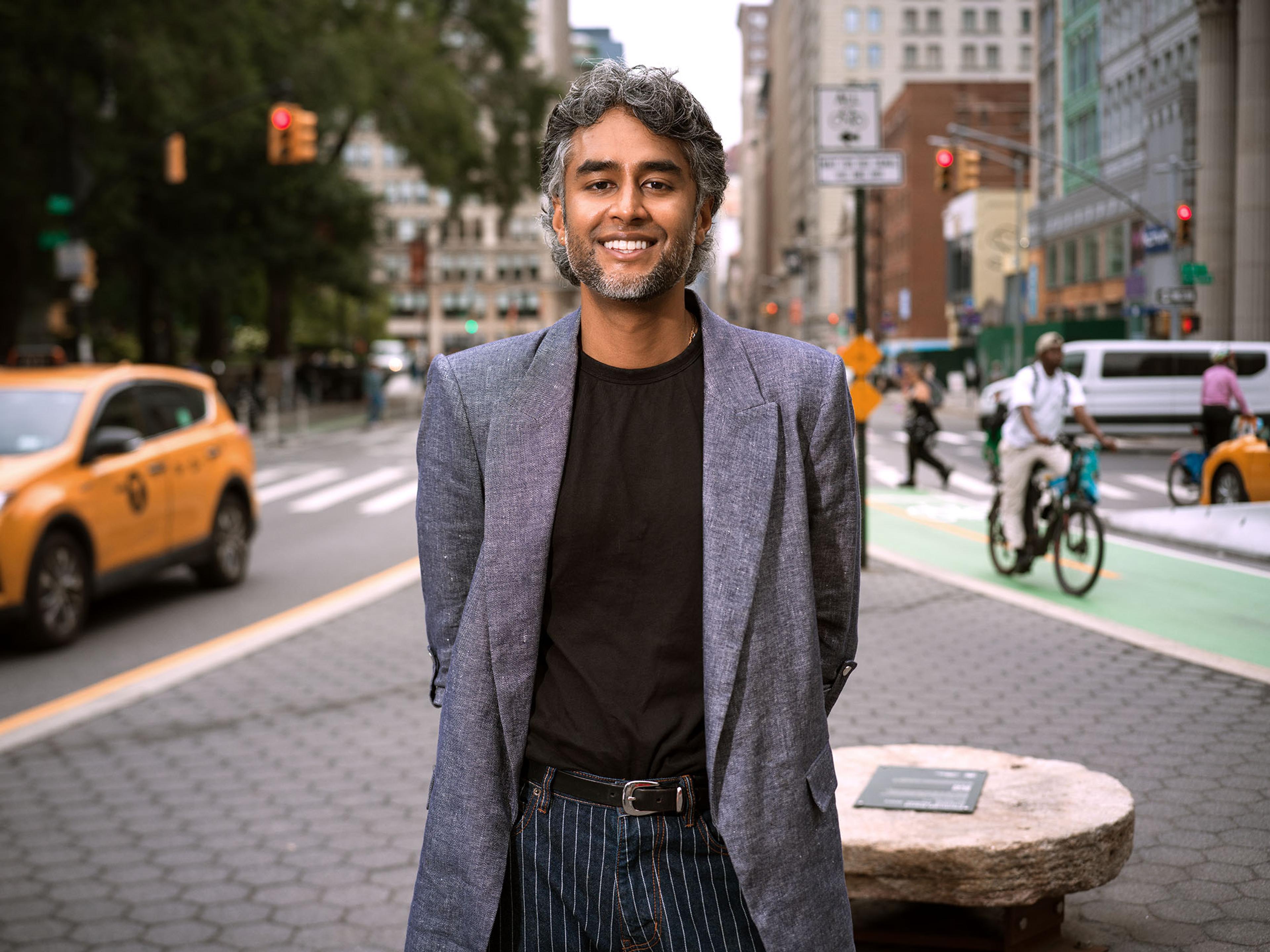
Dr. Kavin Fatehchand, MD, PhD
MD-PhD psychiatrist in New York
The past that keeps arriving uninvited — in your body, your sleep, your reactions to people you love.
- Adults & Teens
- Therapy + meds, one doctor
- Two Manhattan offices
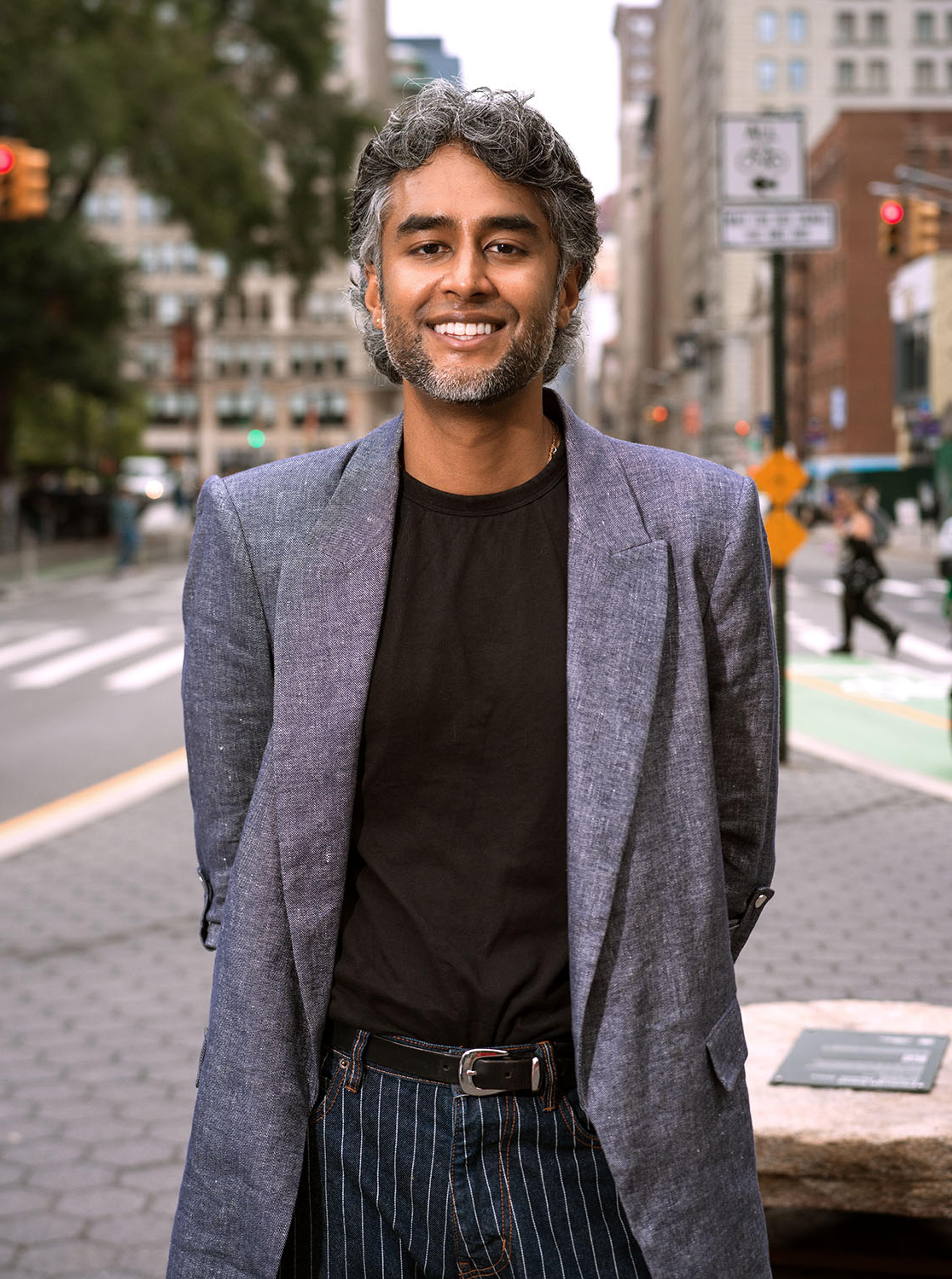
Dr. Kavin Fatehchand, MD, PhD
MD-PhD psychiatrist in New York
Training & Credentials Psychiatry ResidencyNYP-Columbia
 Instructor in PsychiatryColumbia University
 MD & PhDOhio State
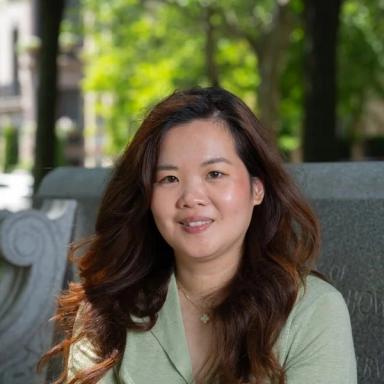 Partner PracticeCaroline Fu Psychiatry
Psychiatry ResidencyNYP-ColumbiaInstructor in PsychiatryColumbia UniversityMD & PhDOhio StatePartner PracticeCaroline Fu PsychiatryInsurance & ReimbursementPlease note that our clinic does not accept insurance. We are out-of-network.
Trauma Care
Paced to What You Can Carry
Trauma treatment in Union Square and the Upper West Side, from a psychiatrist providing both psychotherapy and medication decisions in one relationship.
Pushing too fast can flood you, and moving too slow can leave you stuck. Where's the pace that fits you?
Guidelines put trauma-focused psychotherapy first, ahead of medication.
In my practice, I provide both therapy and medication. At my clinic, the person adjusting your med regimen knows your full story.

Need Urgent Assistance?
Visits & Fees
Transparent fees$850 initial evaluation
$500 hour-long follow-up
$400 medication visit
Out of NetworkWe are not contracted with any health insurance providers
Superbills providedMany PPO plans reimburse 60–80% of their allowed amount after your deductible
A Physician-Only Group Practice
Physicians Trained at Harvard, Columbia, and Tufts
Dr. Kavin's NYC practice is part of Caroline Fu Psychiatry — a small group where every clinician is a physician, not a marketplace of prescribers.
Offices in New York and Boston, one standard of care.
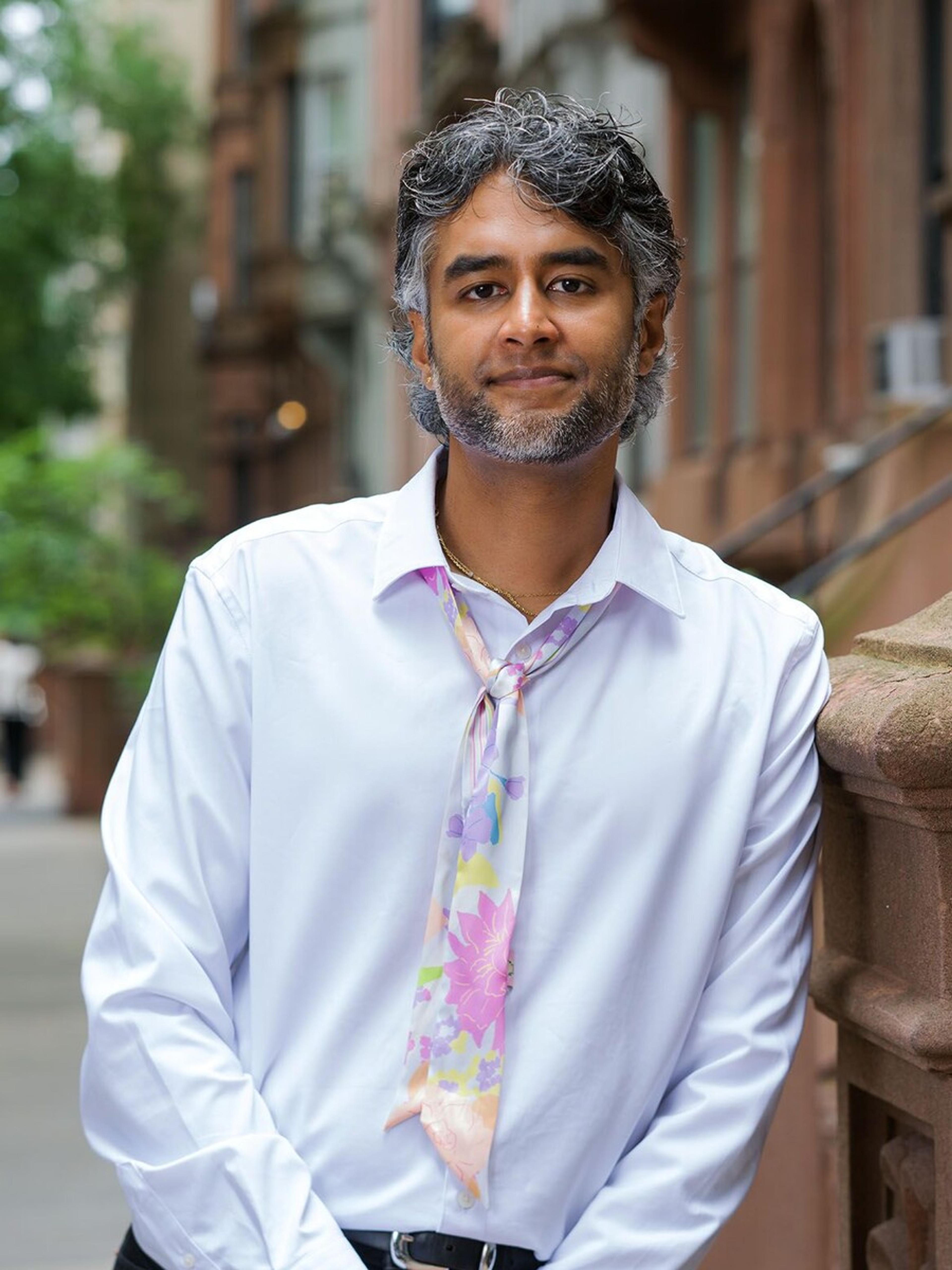

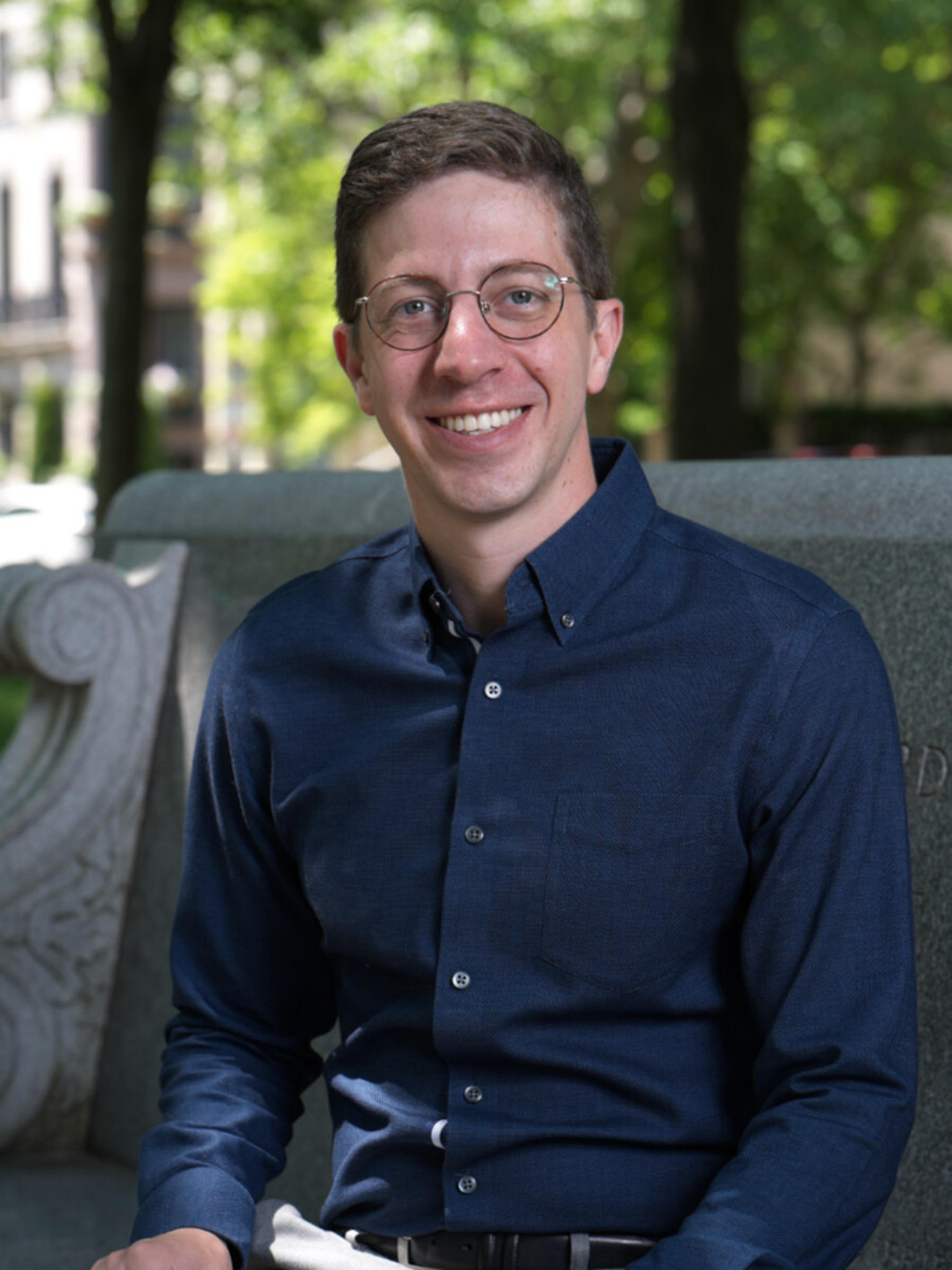
How I Work With Trauma
Three Things That Change How This Goes
Paced to what you can actually tolerate — never flooded, never rushed.
Pacing means matching intensity to what you can carry. That is not postponing the work.
PTSD medication management is narrow by design. Medicine when it earns its place, not a pill for every symptom.
Benzodiazepines are not recommended for PTSD. I don't prescribe them for it.
I trained in psychotherapy during my psychiatry residency at Columbia, and weekly talk therapy is the center of my practice, not an add-on.
Medication decisions are informed by what happens in session. No split care, no handoffs.
What I Sit With
These are situations inside a life — not labels to slot you into.
Insomnia with depression or trauma
Hypervigilance and startle
Anxiety that won’t quiet down
Trauma, ADHD, substance use together
Relationship patterns that keep repeating
Trauma carried by LGBTQ patients
High-functioning professionals
The long medication list
When prior treatment hasn't worked
Making sense of your own story
Questions Patients Bring About Trauma
Reach Out To Learn More
Maybe you have been searching for a psychiatrist for trauma and want a fresh set of eyes — a real second opinion on a regimen that has grown long. "I'm scared to go to bed because I know I won't sleep" — I hear this often, and it makes sense that the night starts to feel like a threat. I'd rather understand what's driving your symptoms before reaching for a prescription.
Any of those is a good reason to reach out. If you are curious, let's talk — I see patients here in New York City.
Trauma and depression travel together. If depression is the louder problem, start with depression treatment in NYC or with general psychiatry in NYC.
About the Doctor
About Dr. Kavin Fatehchand
A trauma psychiatrist who spent years asking what drives a disease — now asking the same about you.
I'm Dr. Kavin Fatehchand, MD, PhD — a psychiatrist in New York. Before psychiatry, I spent years of doctoral research asking what actually drives a disease. I ask the same question about symptoms: what's driving this — biology, trauma, the systems you live in? That question shapes how I prescribe, which is less-is-more — understand the drivers, then peel back rather than keep adding.
I'm a queer, South Asian physician, and I say so plainly because I want you to know who's sitting across from you. Representation is the first step — never an assumption about your story. I formulate out loud, telling you what I'm thinking so we can make sense of it together.
Medically reviewed by Dr. Kavin Fatehchand, MD-PhD — psychiatrist, New York City. Last reviewed August 2026.
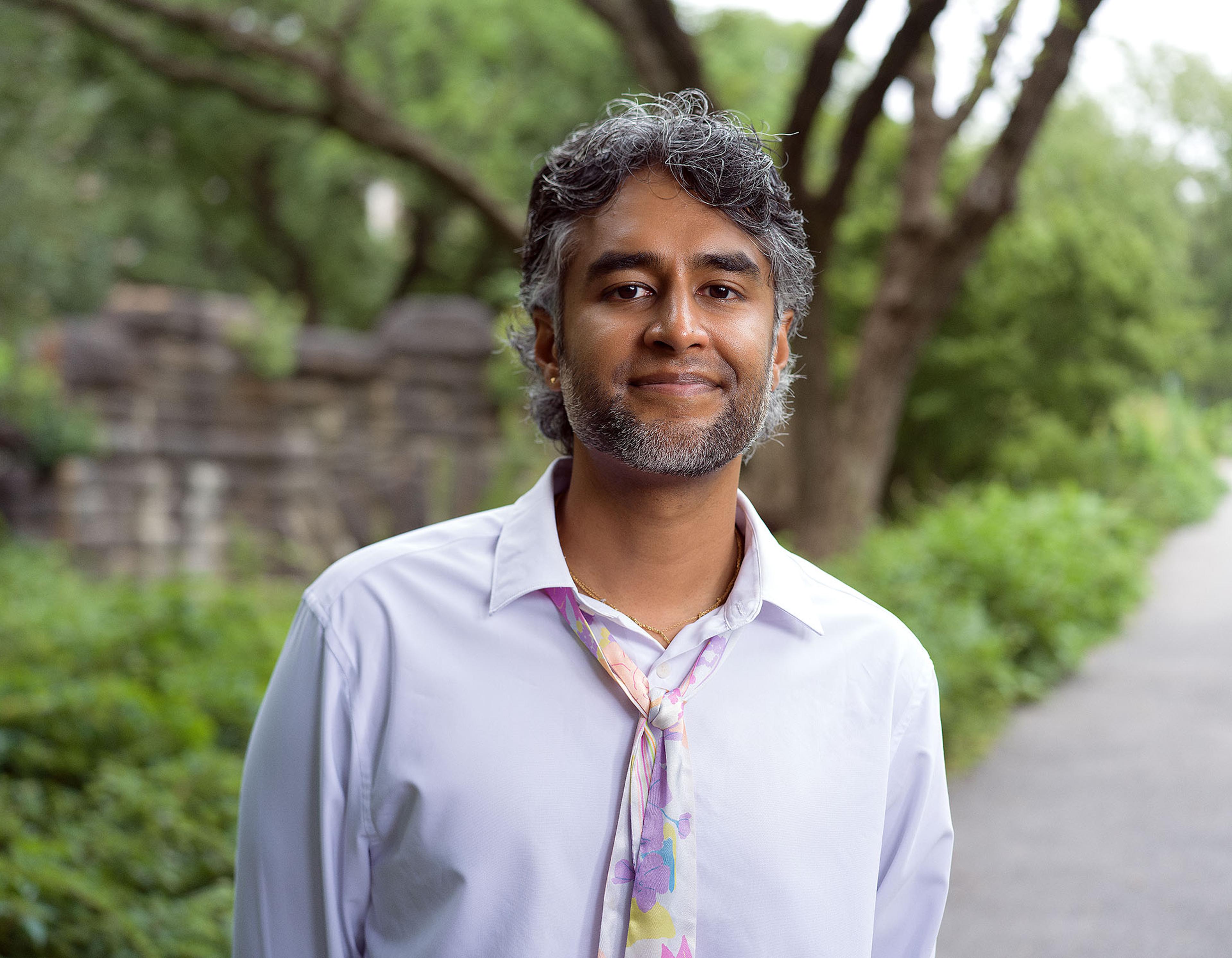
Trauma, honestly
Two things can be true at once
PTSD is treatable. I won't promise a cure, and no honest clinician will.
Less is more. We start by making sense of the story, together — then decide what belongs in the plan.