Fifth Avenue at 14th Street · Union Square · Greenwich Village
Psychiatrist Near Union Square
Psychiatry for adults and teens at 80 Fifth Avenue, at the corner of 14th Street, one block from Union Square.

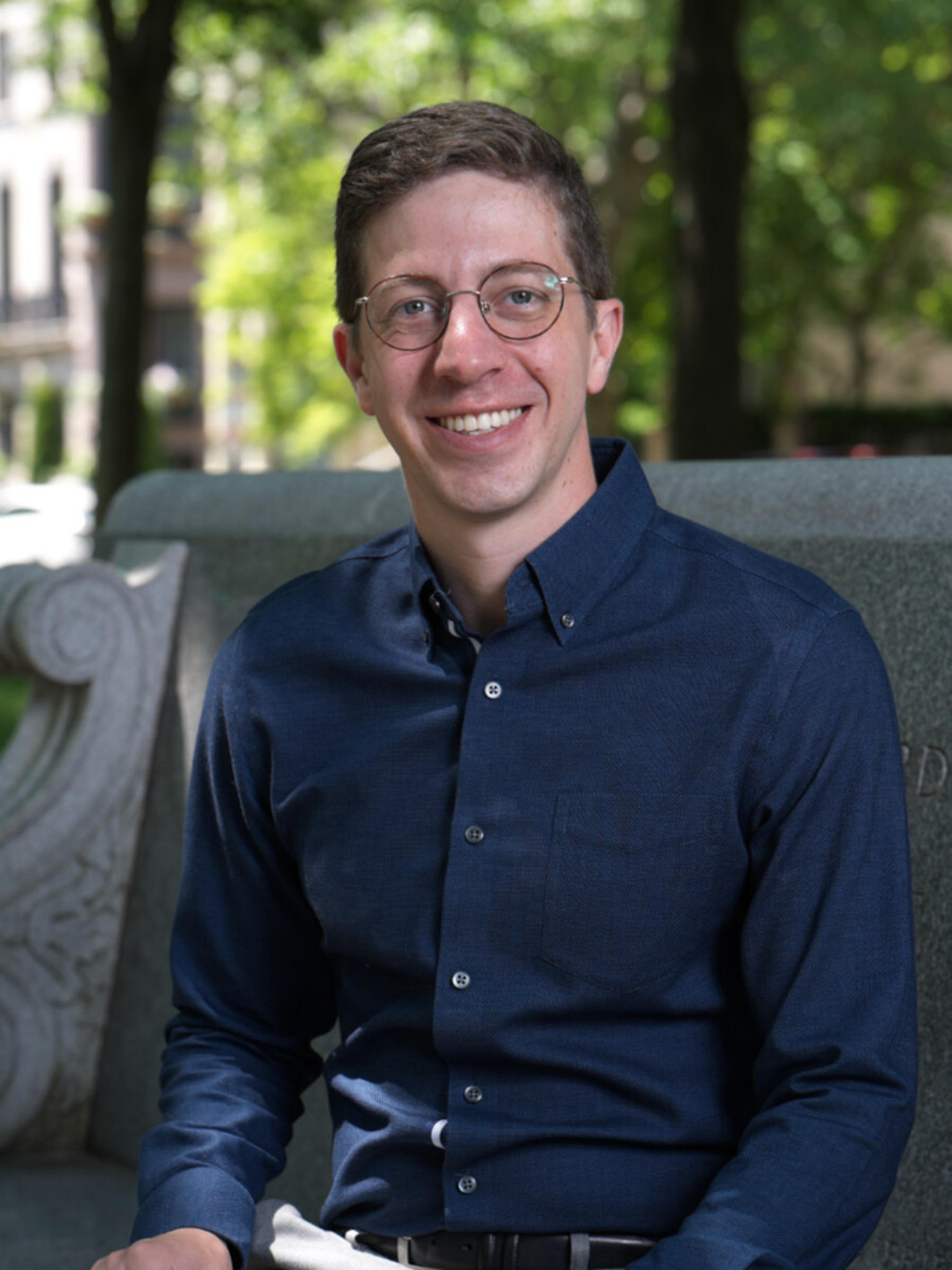
Dr. Kavin Fatehchand, MD, PhD
Columbia-trained psychiatrist in New York
- At Union Square
- 60-minute initial evaluation
- Adults & Teens · therapy & psychiatry in one relationship
- Superbill provided at every visit

Dr. Kavin Fatehchand, MD, PhD
Columbia-trained psychiatrist in New York
Training & Credentials Psychiatry ResidencyNYP-Columbia
 Instructor in PsychiatryColumbia University
 MD & PhDOhio State
 Partner PracticeCaroline Fu Psychiatry
Psychiatry ResidencyNYP-ColumbiaInstructor in PsychiatryColumbia UniversityMD & PhDOhio StatePartner PracticeCaroline Fu PsychiatryInsurance & ReimbursementOur clinic does not accept insurance. Dr. Kavin's intake fee is $850.
Union Square
Therapy & meds with the same physician
I'm your partner, not just a provider.
Therapy and medication management with a single psychiatrist is the ‘gold standard’ of mental healthcare. That’s why I provide therapy and prescribing in one office.
As a private, out-of-network psychiatrist, my concierge model is a deliberate return to the kind of psychiatry supported by research. This model allows me time to understand you as a whole-person.

Need Urgent Assistance?
Visits & Fees
Unhurried visits60 minutes with your physician for your initial evaluation — never a 15-minute med check
Superbills providedMany PPO plans reimburse 60–80% of their allowed amount after your deductible
Transparent fees$850 initial evaluation
$500 hour-long follow-up
$400 medication visit
A Physician-Only Group Practice
Physicians Trained at Harvard, Columbia, and Tufts
Dr. Kavin's NYC practice is part of Caroline Fu Psychiatry — a small group where every clinician is a physician, not a marketplace of prescribers.
Offices in New York and Boston, one standard of care.


The Office
The Union Square office
80 Fifth Avenue, Suite 906 — at the corner of 14th Street, one block from Union Square. Patients walk over from Flatiron and Gramercy, from Greenwich Village and the West Village, from Chelsea and the East Village. The 4/5/6, L, N, Q, R and W all stop at 14th St–Union Sq, three minutes away; the F and M are at 14th and Sixth.

How I Practice
Concierge care offers personalized support
Time is the most important part of our relationship.
As an out-of-network provider, I am not contracted with any insurance company.
Insurance plans prevent psychiatrists from providing therapy.
My concierge practice revolves around the research-proven combination of therapy & psychopharmacology.
My concierge practice is restricted to 200 total patients.
We have time to get to know each other, through the ups and downs. You have direct access to myself and my office when you need it.
When you need a refill before international travel, we can help with that.
Maybe you need a last minute appointment before a big board meeting.
I have the flexibility necessary to support patients with demanding careers and responsibilities.
About the Doctor
About Dr. Kavin Fatehchand
A physician-scientist who spent years asking what drives a disease — now asking the same about you.
I'm Dr. Kavin Fatehchand, MD, PhD — a psychiatrist in New York. Before psychiatry, my doctoral research was in cancer immunology, where I spent years asking what actually drives a disease. I ask the same question about symptoms: what's driving this — biology, trauma, the systems you live in? That question shapes how I prescribe, which is less-is-more — understand the drivers, then peel back rather than keep adding.
I'm a queer, South Asian physician, and I say so plainly because I want you to know who's sitting across from you. Representation is the first step — never an assumption about your story. I formulate out loud, telling you what I'm thinking so we can make sense of it together.
Medically reviewed by Dr. Kavin Fatehchand, MD-PhD — psychiatrist, New York City. Last reviewed August 2026.

Commonly treated symptoms & disorders
Anxiety
Depression
ADHD
ADHD vs. anxiety
Bipolar spectrum
OCD
Trauma
Insomnia
Feeling flat on medication
Identity and belonging
Second opinions
Tell Me What's Going On — In Your Own Words
You don't need a polished summary or the right clinical words — just tell me what's been happening, and what's changed.
We'll make sense of it together, at a pace that fits your life. If you're curious, that's enough to start.
In person at Union Square
Bring the whole story. There is time for it.
A genuine relationship with a caring psychiatrist can make all the difference.