OCD Care in New York
OCD Psychiatrist in NYC
OCD treatment — UWSUpper West Side & Union Square Offices
Request an appointment
You are more than the thoughts that loop — so what's actually driving them?

- Same-week appointments available
- Complex cases welcome
- Adults & Teens
- Now accepting new patients
- ERP, translated into plain steps
Training & Credentials Psychiatry ResidencyNYP-Columbia
 Instructor in PsychiatryColumbia University
 MD & PhDOhio State
 Partner PracticeCaroline Fu Psychiatry
Psychiatry ResidencyNYP-ColumbiaInstructor in PsychiatryColumbia UniversityMD & PhDOhio StatePartner PracticeCaroline Fu PsychiatryInsurance & ReimbursementPlease note that our clinic does not accept insurance. We are out-of-network.
OCD Care
Paced to What You Can Actually Tolerate
ERP built up gradually and medication given the weeks it needs — OCD care that doesn't flood you or rush you.
OCD is one place where speed backfires — generic reassurance can feed the loop, and a 15-minute check reaches for a new pill before a real trial has had time to work. As an OCD specialist, I build ERP up gradually, at a pace you can actually tolerate, and I give each medication the weeks it needs before we judge it — formulating out loud so you know what I'm thinking. Two things can be true: pushing too fast can flood you, and moving too slow can leave you stuck. Where's the pace that fits you?
Need Urgent Assistance?
Visits & Fees
Transparent fees$850 initial evaluation
$500 hour-long follow-up
$400 medication visit
Out of NetworkWe are not contracted with any health insurance providers
Superbills providedMany PPO plans reimburse 60–80% of their allowed amount after your deductible
A Physician-Only Group Practice
Physicians Trained at Harvard, Columbia, and Tufts
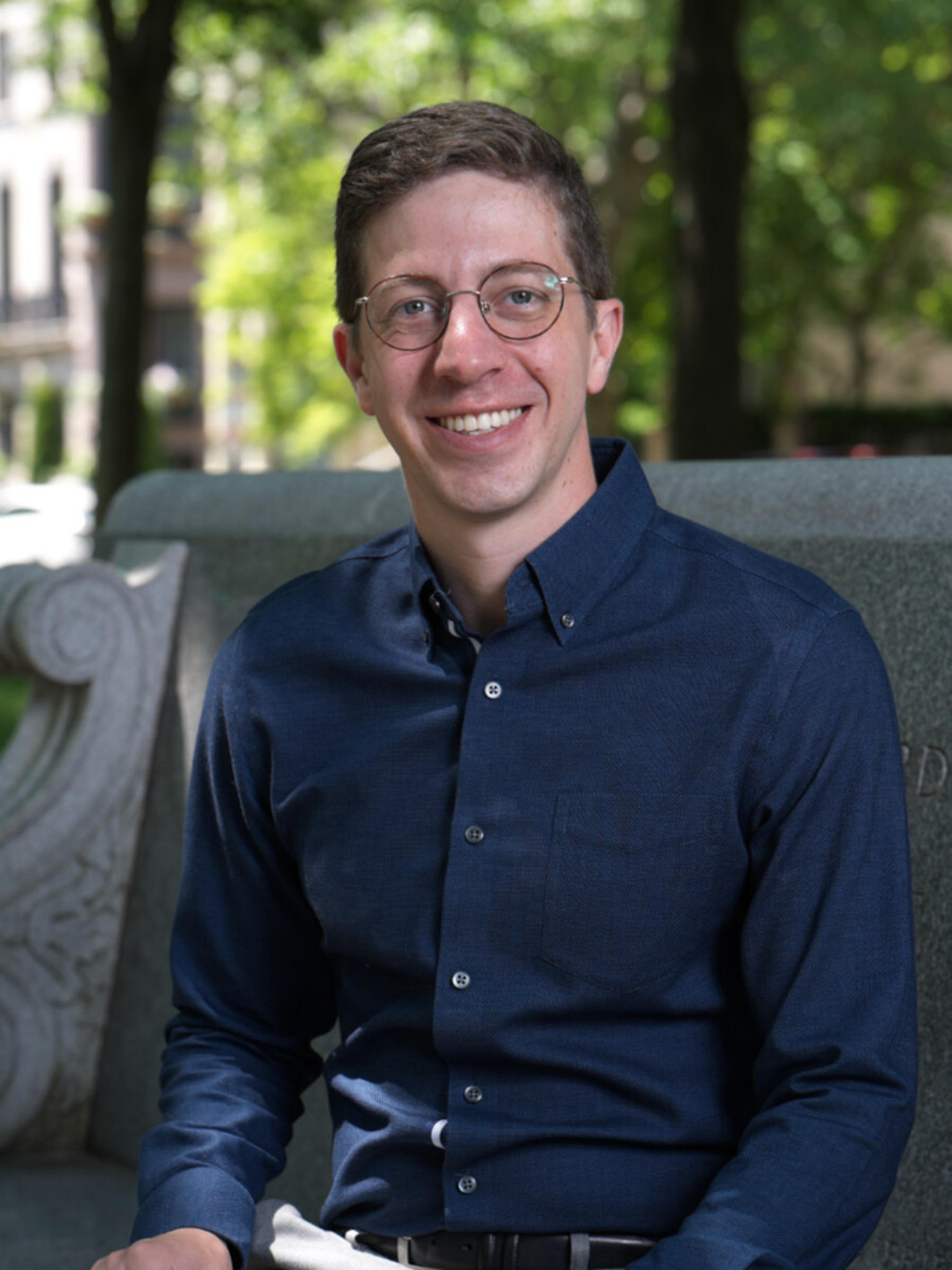
Dr. Kavin's NYC practice is part of Caroline Fu Psychiatry — a small group where every clinician is a physician, not a marketplace of prescribers.
Offices in New York and Boston, one standard of care.
How I Work With OCD
Three Things That Change How This Goes
OCD responds to specific, well-studied work — done at a pace you can actually tolerate, never flooded and never rushed.
Exposure and response prevention means facing the fear without doing the ritual — and yes, that's hard. We build up gradually, at a pace you can tolerate, because ERP works when it isn't rushed.
OCD often needs SSRIs at higher doses and longer trials than depression does — ten or twelve weeks before we can honestly judge a response. That's not slowness; it's giving a trial the time it needs, and I'll name the tradeoffs plainly.
OCD ebbs and flares, and there's no rushing it back to steady — I stay through both. That includes the family piece — how loved ones accommodate rituals to reduce distress, and how, over time, that quietly feeds the loop.
The many faces of OCD I work with
OCD wears many disguises. Here's the range of presentations I see and treat.
Contamination and washing
Checking
Symmetry and 'just right'
Harm OCD
Pure O and intrusive thoughts
Reassurance-seeking and scrupulosity
OCD vs OCPD and perfectionism
OCD vs generalized anxiety
Adult-onset OCD
When prior treatment hasn't worked
Questions Patients Bring About OCD
Reach Out To Learn More
If the intrusive thoughts keep looping and the rituals are eating up hours of your day, let's talk. Searching "ocd therapy near me" and landing on a checklist is exactly the thing I want to spare you. An evaluation with me is a conversation, not a form to tick through — I want to understand what's driving the thoughts, when they started, and how they move through your life. Bring your story, and I'll bring my full attention. If you're curious, start here.
About the Practice
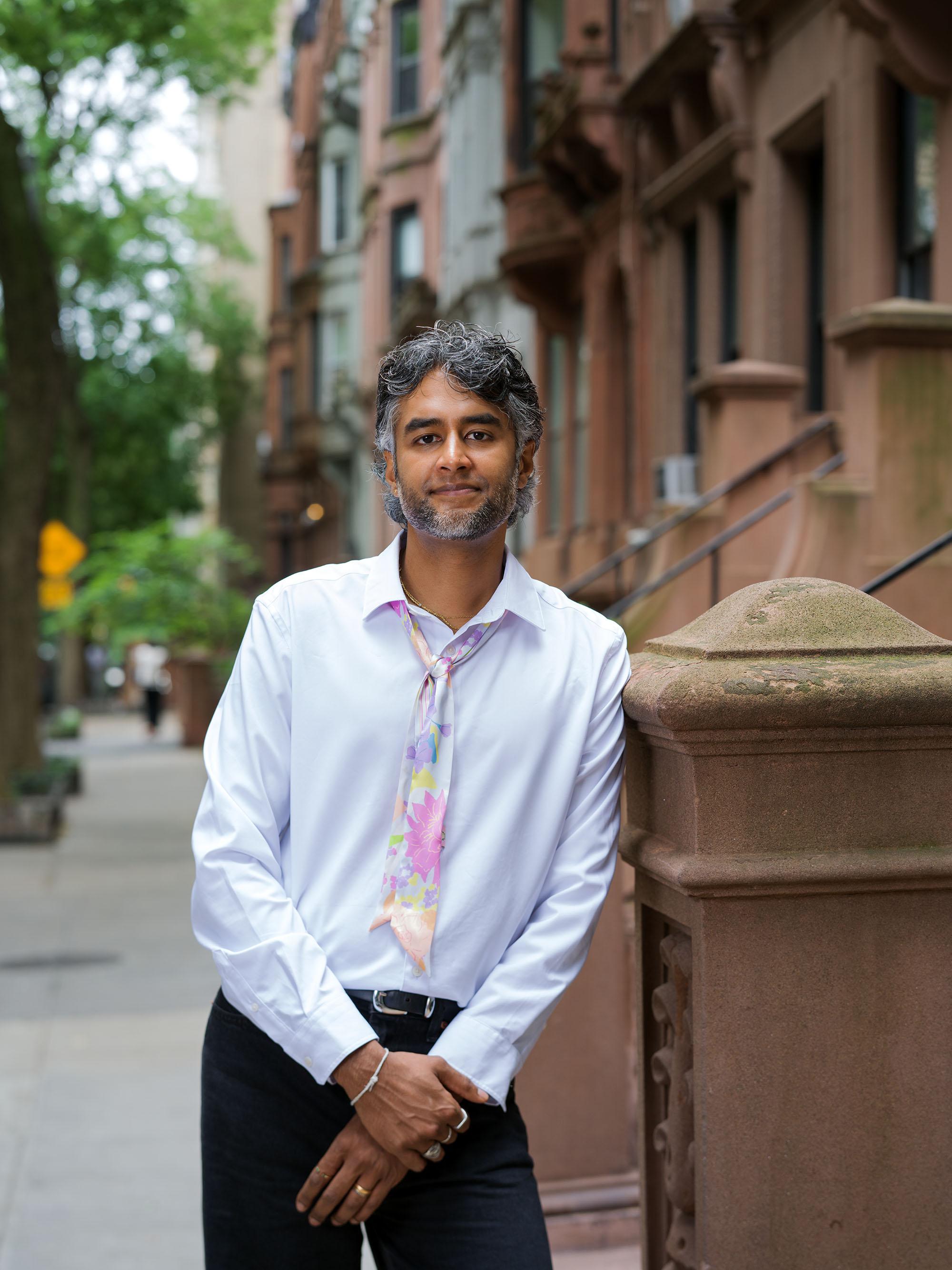
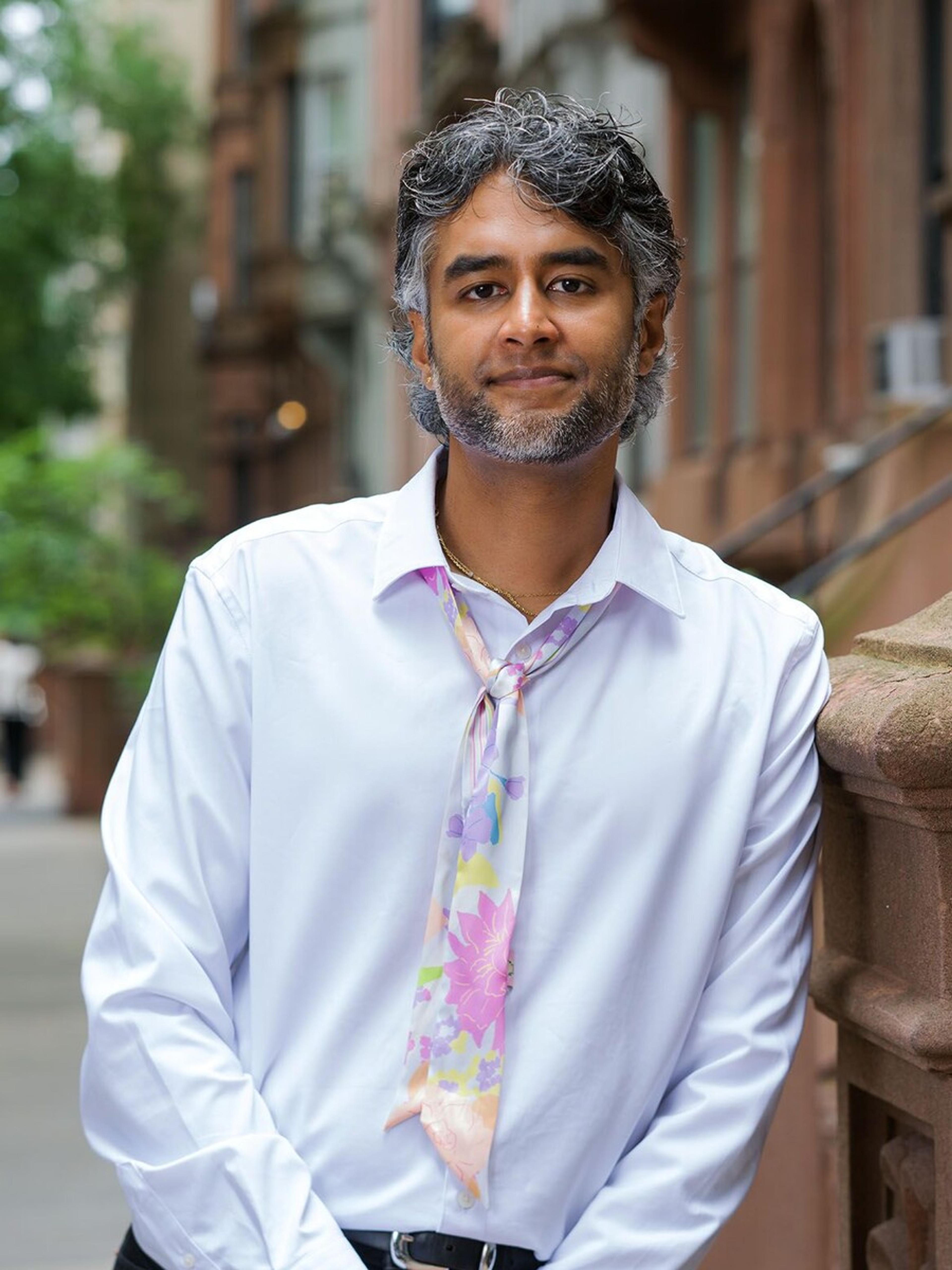
About Dr. Kavin Fatehchand
One psychiatrist who works OCD at the pace it actually requires — not a checklist, not a 15-minute rush.
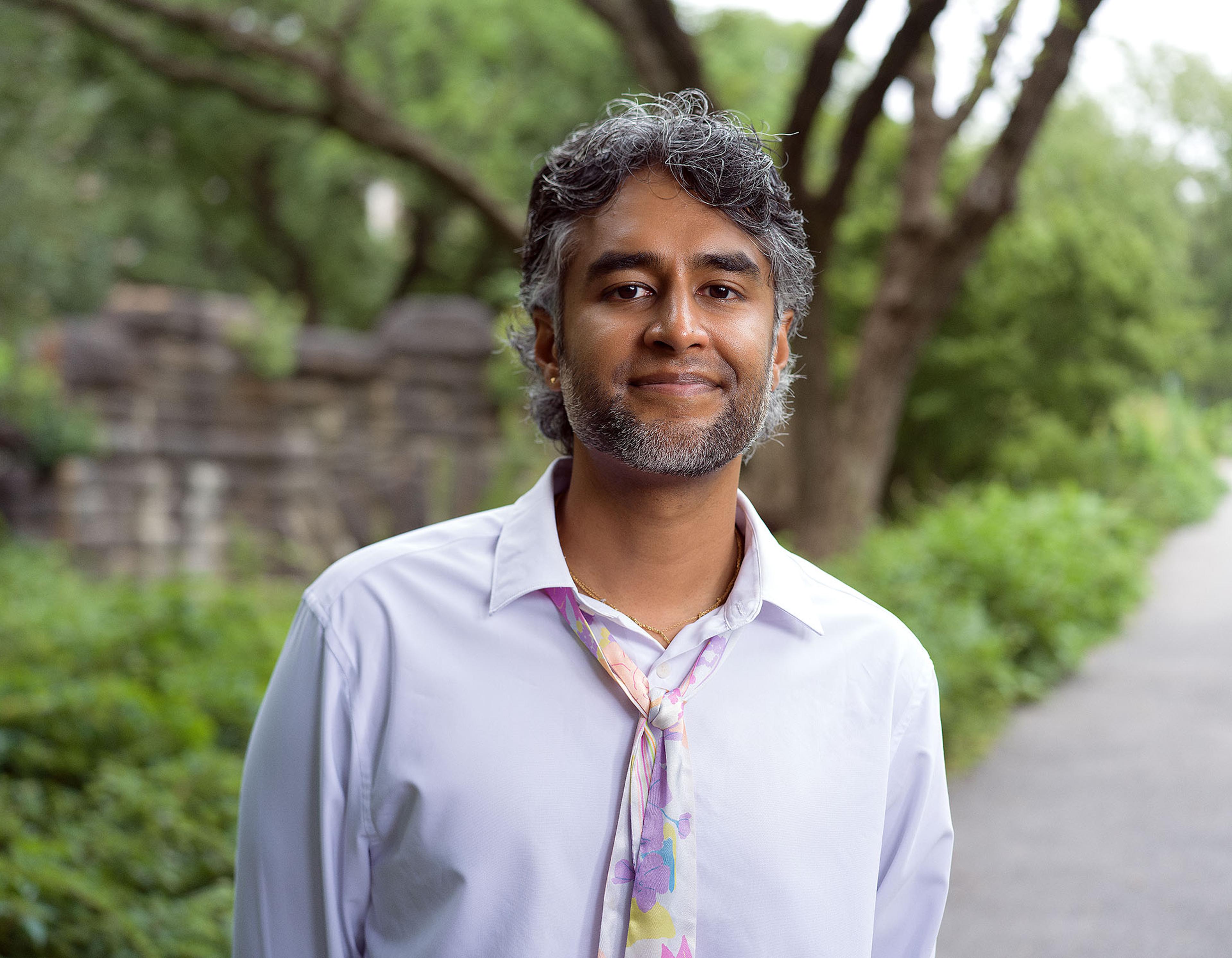
I'm Dr. Kavin Fatehchand, MD, PhD — a psychiatrist in Manhattan who treats OCD at the pace it actually needs, without flooding you or rushing to a prescription. Before psychiatry, I spent years of doctoral research asking one question: what's actually driving this? I ask the same thing about OCD. Not just which label fits, but what feeds the loop of intrusive thought and ritual — biology, trauma, the systems you live in, or all three?
As an OCD psychiatrist who is queer and South Asian, I name that plainly so you know who's sitting across from you. Representation is the first step — never an assumption about your particular story. That, we build together.
Medically reviewed by Dr. Kavin Fatehchand, MD-PhD — psychiatrist, New York City. Last reviewed August 2026.
OCD, understood differently
If regular therapy didn't help my OCD, what now?
So many people tell me the same thing: talk therapy circled the anxiety but never touched the compulsions. That gap is common — and it's workable.
ERP is hard, and OCD is usually managed rather than cured — and real relief is genuinely possible. If you're exhausted from fighting your own mind, let's understand what's driving it together.