Bipolar Psychiatrist in New York
Bipolar Psychiatrist in NYC
Bipolar disorder treatment — Upper West Side & Union Square Offices
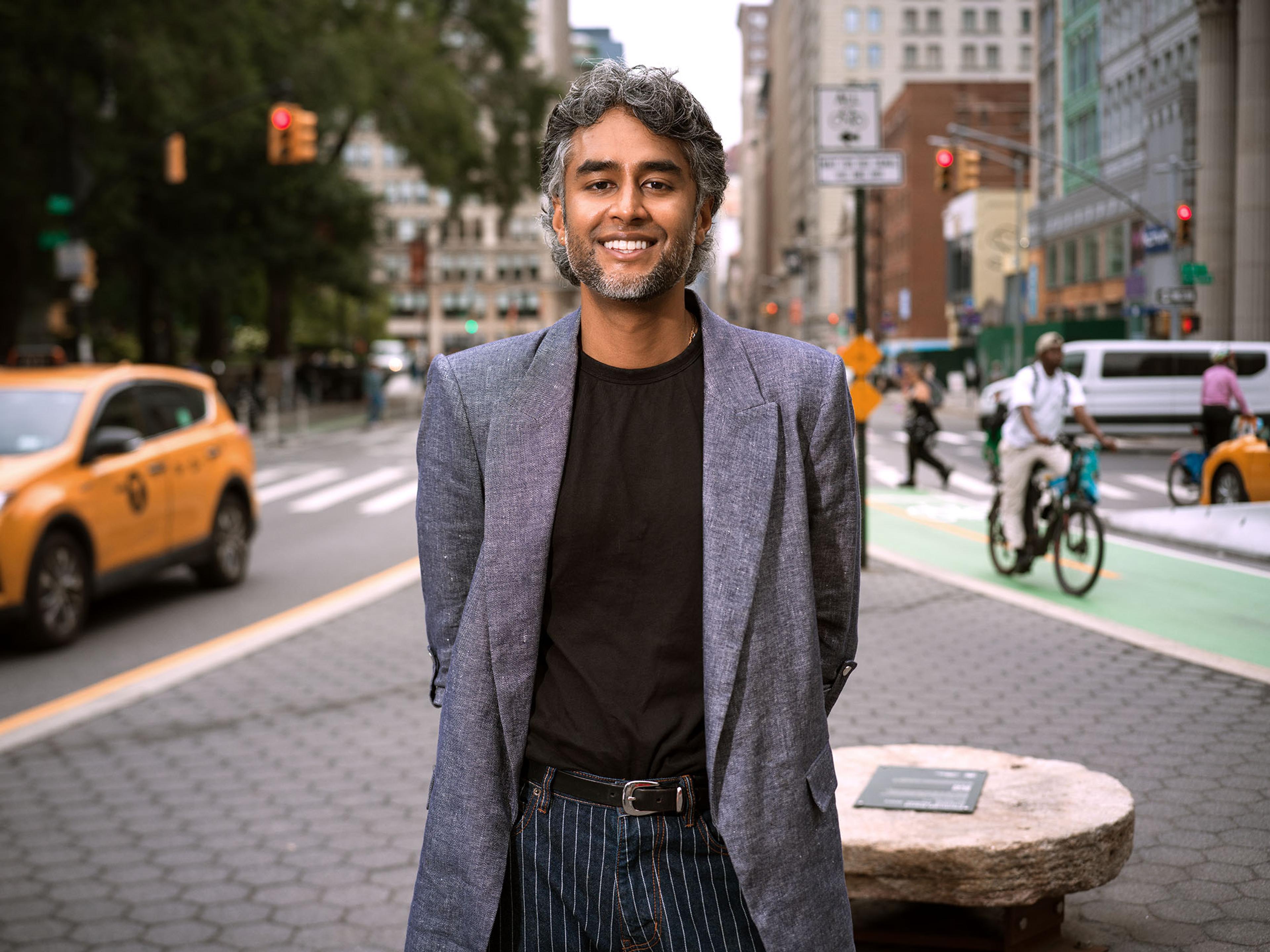
Dr. Kavin Fatehchand, MD, PhD
MD-PhD psychiatrist — a queer, South Asian physician
"I feel like I have two completely different people inside me" — let's make sense of that together.
- Therapy + medication, one doctor
- Whole life narrative
- Less-is-more prescribing
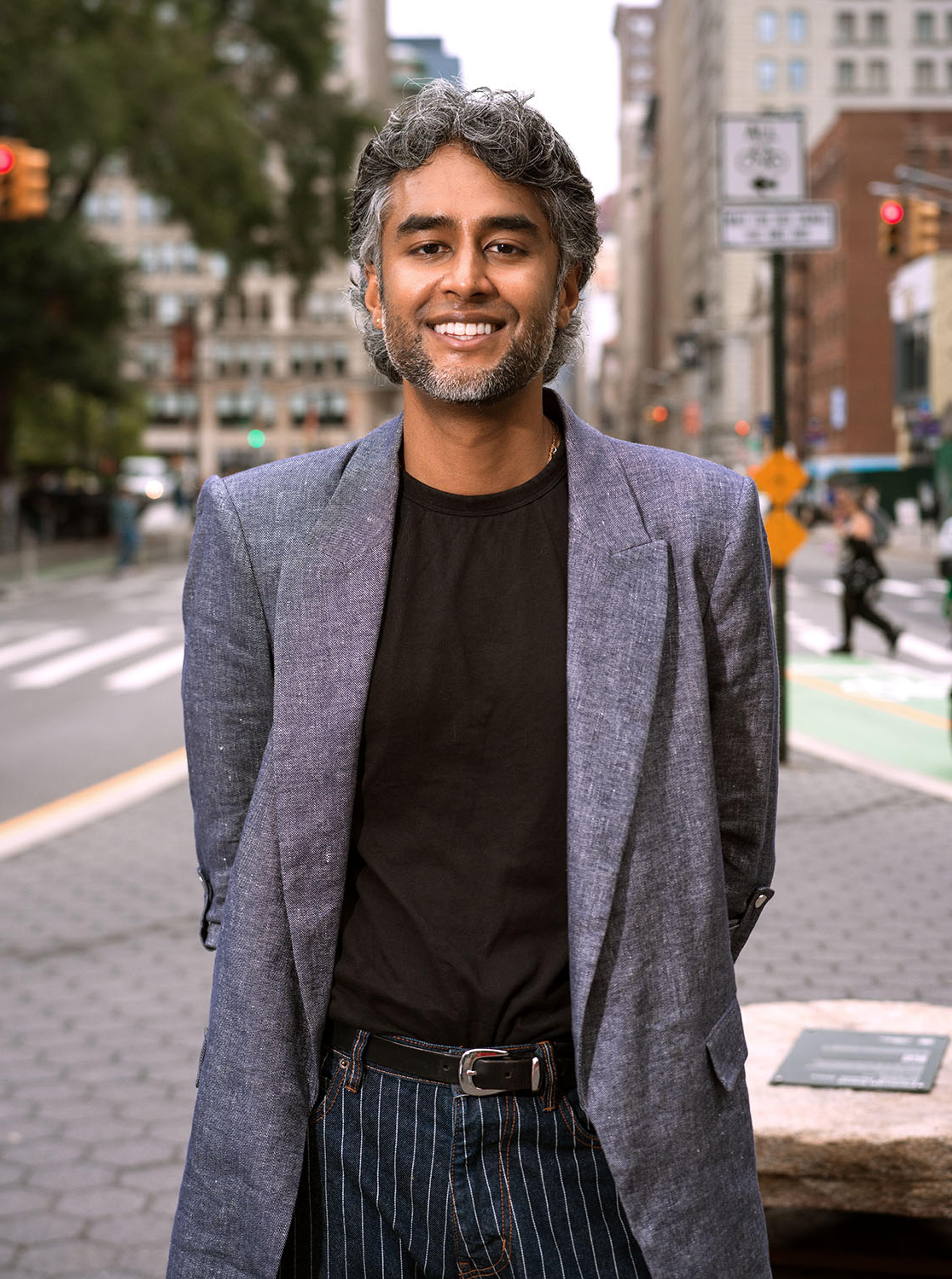
Dr. Kavin Fatehchand, MD, PhD
MD-PhD psychiatrist — a queer, South Asian physician
Training & Credentials Psychiatry ResidencyNYP-Columbia
 Instructor in PsychiatryColumbia University
 MD & PhDOhio State
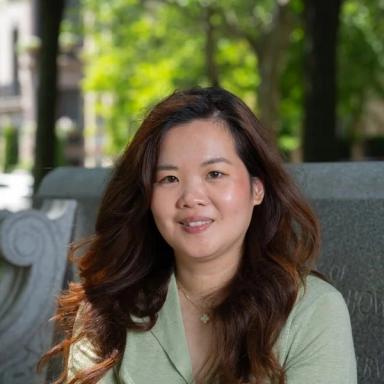 Partner PracticeCaroline Fu Psychiatry
Psychiatry ResidencyNYP-ColumbiaInstructor in PsychiatryColumbia UniversityMD & PhDOhio StatePartner PracticeCaroline Fu PsychiatryInsurance & ReimbursementPlease note that our clinic does not accept insurance. We are out-of-network.
Bipolar Disorder Treatment in NYC
Before We Name It, Let's Understand It
Many people arrive after years of being told it was 'just depression' — on a long list of medications, still unsure what's actually driving the swings.
If you've been trying to find the right bipolar psychiatrist in Union Square or on the Upper West Side, you may already know the feeling — your moods swing on a scale ordinary ups and downs never reach, and no one has stopped to watch them closely over time. That's the work of bipolar disorder treatment here: I learn your baseline, then track the shifts session to session — the early loss of sleep, the first burst of speed — so we can catch a change before it takes hold. What's actually moving, and when? Misdiagnosis runs in both directions — bipolar II mistaken for years of unipolar depression, and ordinary mood instability from trauma or ADHD mistaken for bipolar disorder. Before we name anything, we understand your whole life narrative. Two things can be true: your story matters, and the diagnosis is only a starting point.

Need Urgent Assistance?
Visits & Fees
Transparent fees$850 initial evaluation
$500 hour-long follow-up
$400 medication visit
Out of NetworkWe are not contracted with any health insurance providers
Superbills providedMany PPO plans reimburse 60–80% of their allowed amount after your deductible
A Physician-Only Group Practice
Physicians Trained at Harvard, Columbia, and Tufts
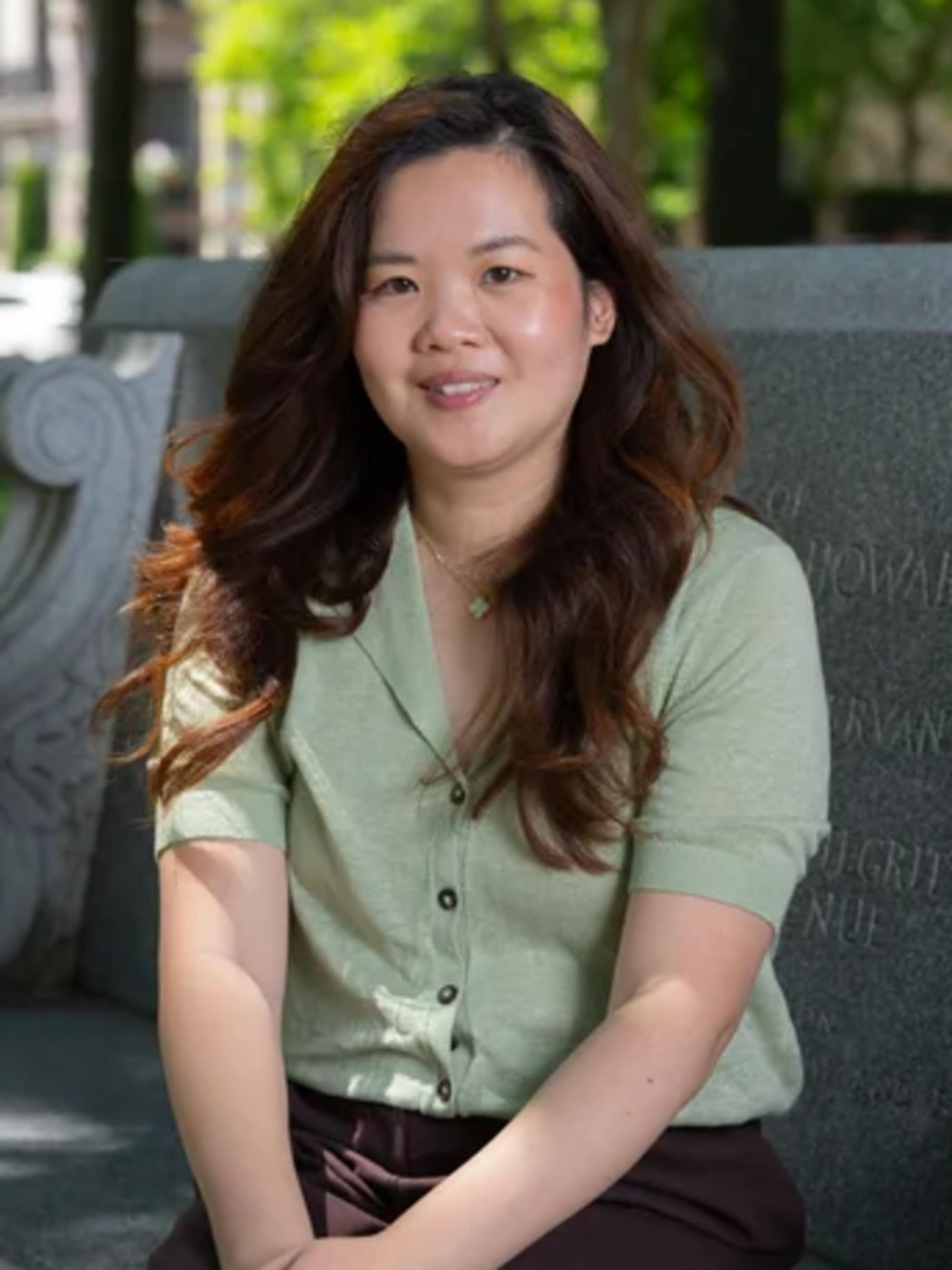
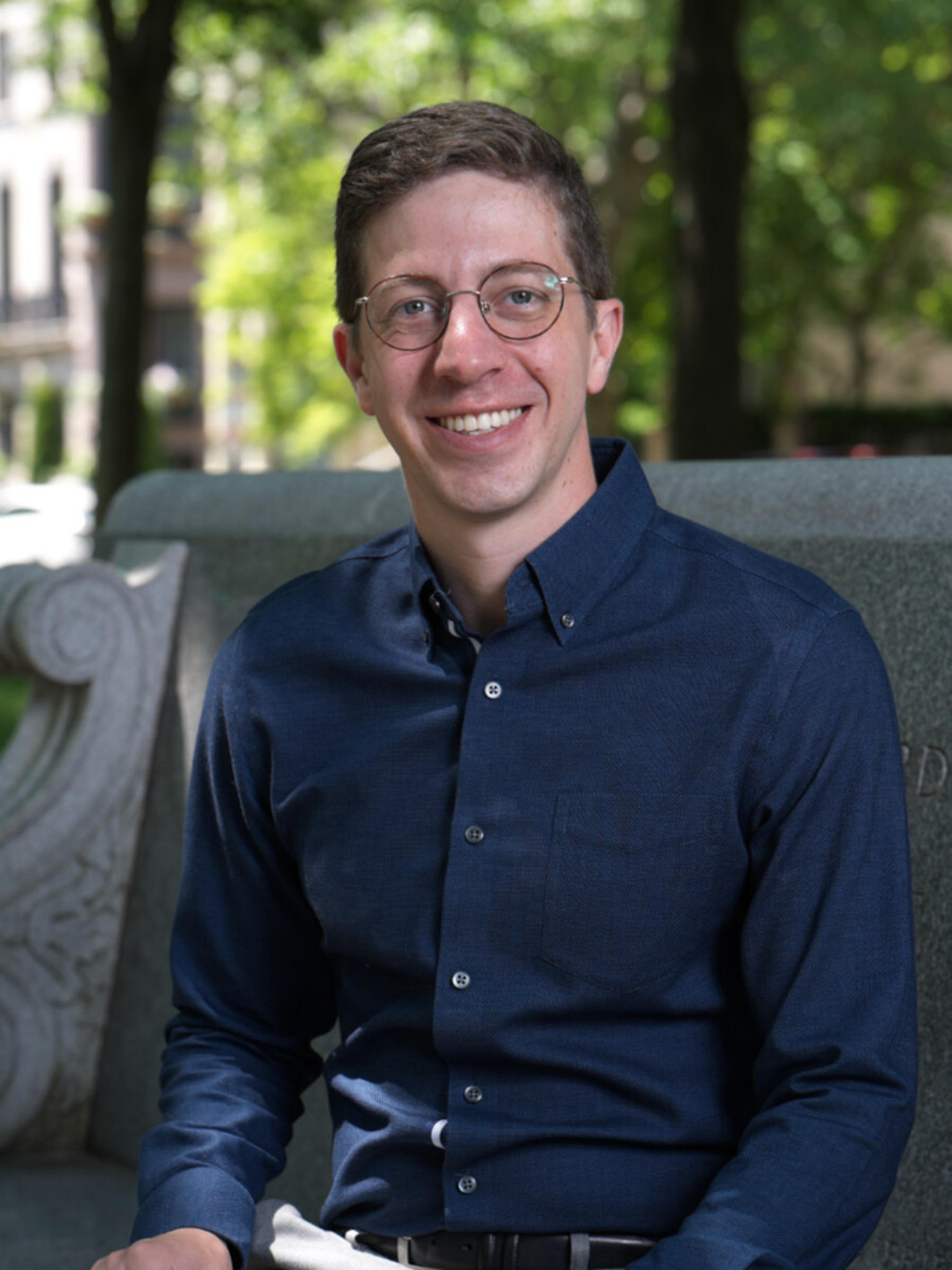
Dr. Kavin's NYC practice is part of Caroline Fu Psychiatry — a small group where every clinician is a physician, not a marketplace of prescribers.
Offices in New York and Boston, one standard of care.
How I Practice
The Story Behind the Mood
Bipolar care that starts with your whole life narrative — not a checklist, not a label, not another prescription stacked on the last one.
So many people underreport the manic or hypomanic stretch — it felt good, it felt productive. I'm curious about those weeks, because that's often where the real story lives. We find it together.
A mood stabilizer matched to you, not stacked on top of everything else. Adherence is hard — some stop when euphoric, some when dulled. So we decide it together, honestly, every step.
Mood is dynamic; that's the nature of it. So I learn your baseline and track the tempo session to session — good stretches and hard ones both tell me something. Catch the early shift, and we adjust before an episode arrives.

The Bipolar Spectrum, Told as Stories
These aren't boxes to be sorted into — they're patterns inside real lives.
Bipolar 2 and hypomania
Cyclothymia and mixed features
Bipolar depression that looks unipolar
"My brain won't slow down"
Rapid cycling
High-functioning bipolar disorder
Bipolar disorder in women
Comorbidities and medical mimics
Relapse prevention and warning signs
Questions Before We Begin
Reach Out To Learn More
Maybe you suspect your moods are more than ordinary ups and downs. Maybe someone called it depression and it never quite fit. Before I name anything, I want to understand the whole story — a fuller diagnostic conversation, room for what family and the people close to you have noticed, and close attention if we ever adjust medication. What's driving this, and why now? If you're curious, tell me a little about what brings you in, and we'll talk here in New York.
About the Doctor
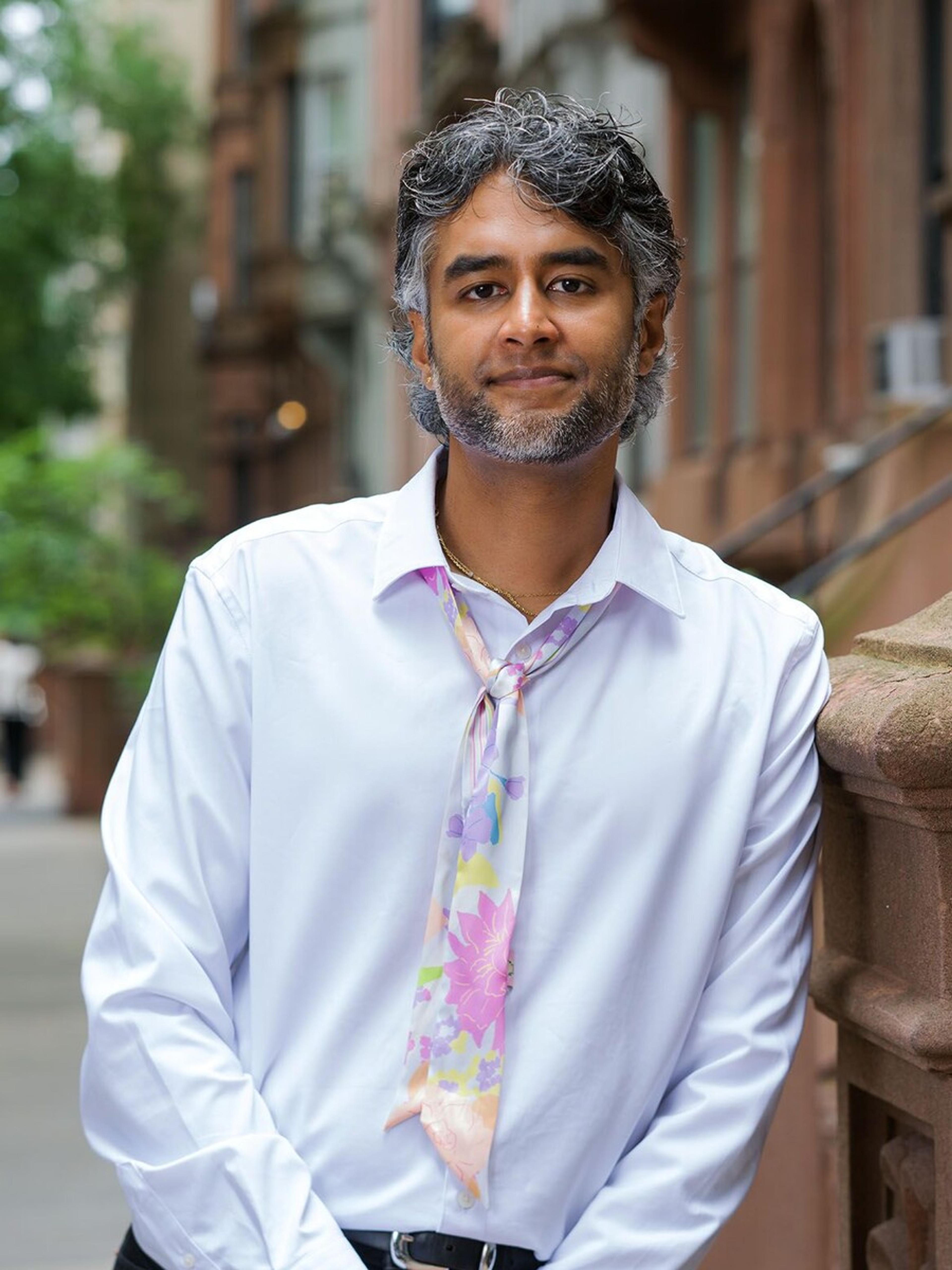
About Dr. Kavin Fatehchand
The same doctor who learns your baseline and watches the shifts over time — session to session, not a checklist.
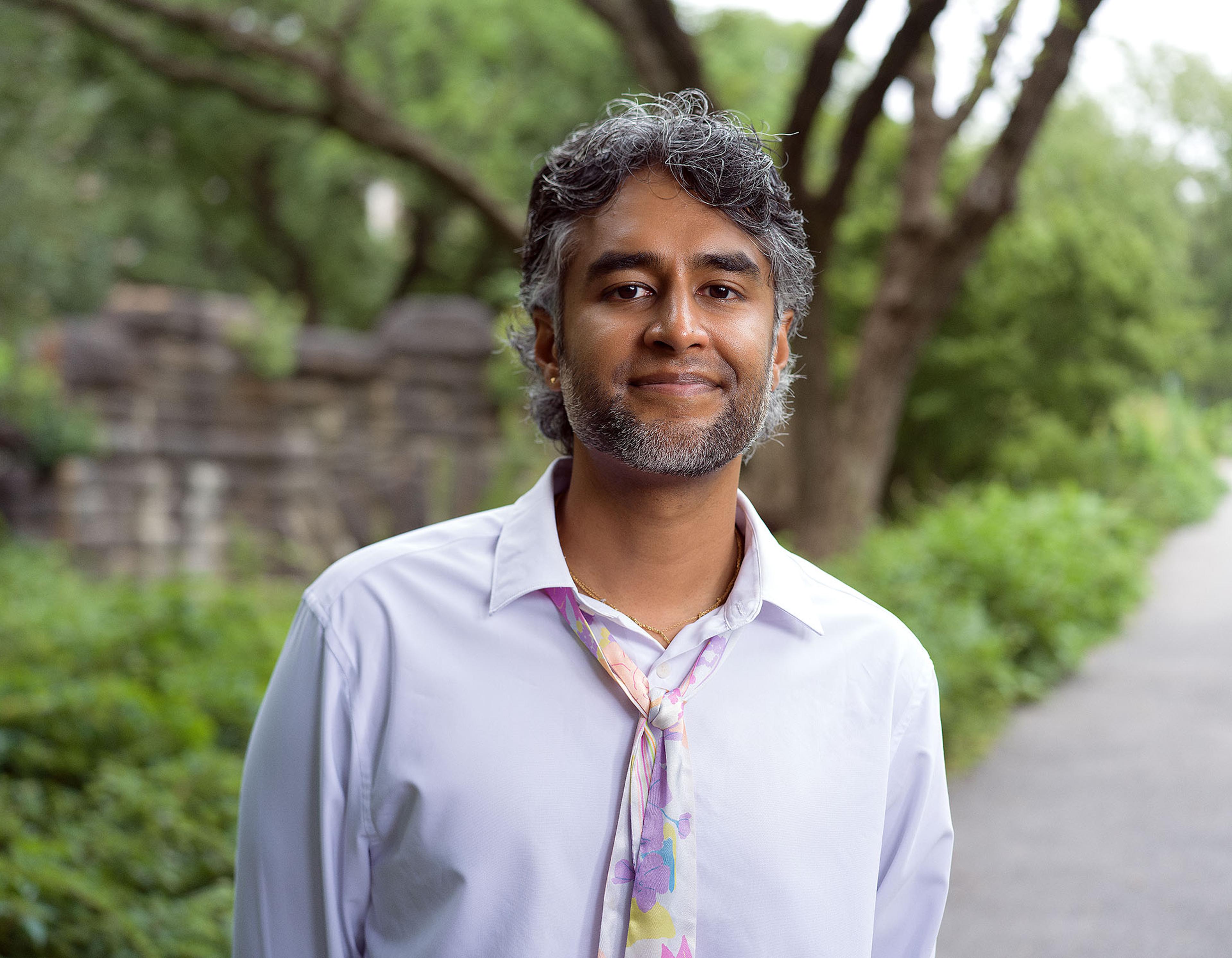
I'm Dr. Kavin Fatehchand, MD, PhD, a psychiatrist in Manhattan. Before psychiatry, I spent years of doctoral research asking one question: what's driving this? I ask the same thing about mood. Is it biology, trauma, the systems you live in — or all three?
I'm a queer, South Asian physician, and I want patients to know exactly who they're sitting with — though representation is only the first step, never an assumption about your life. What I pay closest attention to is the pattern over time: your baseline, the early shifts, what's different this month than last. I prescribe less-is-more, I formulate out loud, and I'll tell you what I'm thinking and see if it resonates.
Medically reviewed by Dr. Kavin Fatehchand, MD-PhD — psychiatrist, New York City. Last reviewed August 2026.
Watched closely over time
"I was told it was just depression for years"
If those years never quite added up — the crashes, or the weeks where "I don't sleep for days but I feel amazing" — I want to understand what's actually driving it, not just rename it.
"I'm scared the medication will make me feel numb or not myself" is a fair worry. Medication can help and it carries real trade-offs — we'll weigh both together, at your pace. If you're curious, let's talk.