Adult ADHD Evaluation in NYC
ADHD Psychiatrist in NYC
ADHD care — UWSUpper West Side & Union Square Offices
Request an appointment
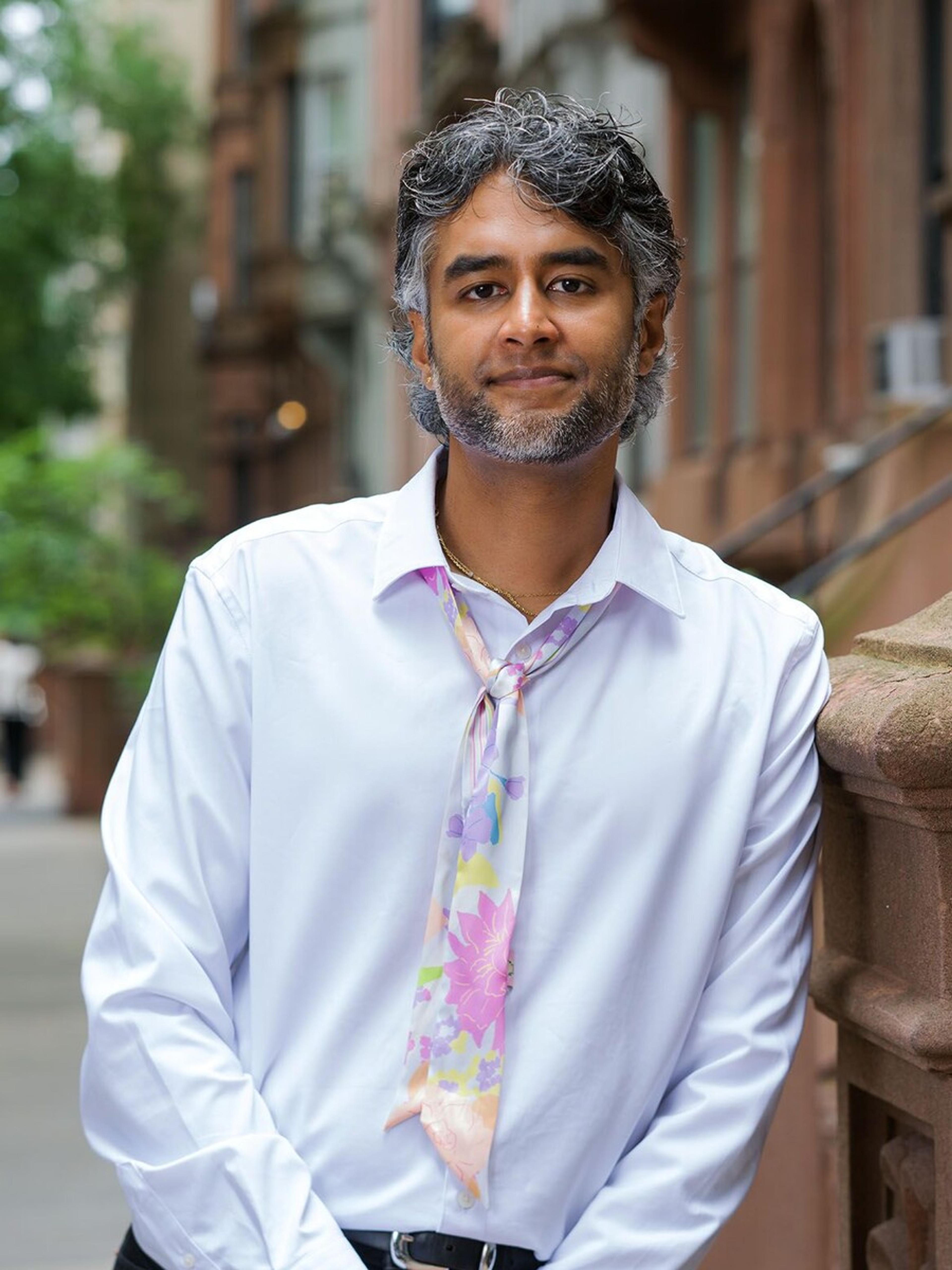
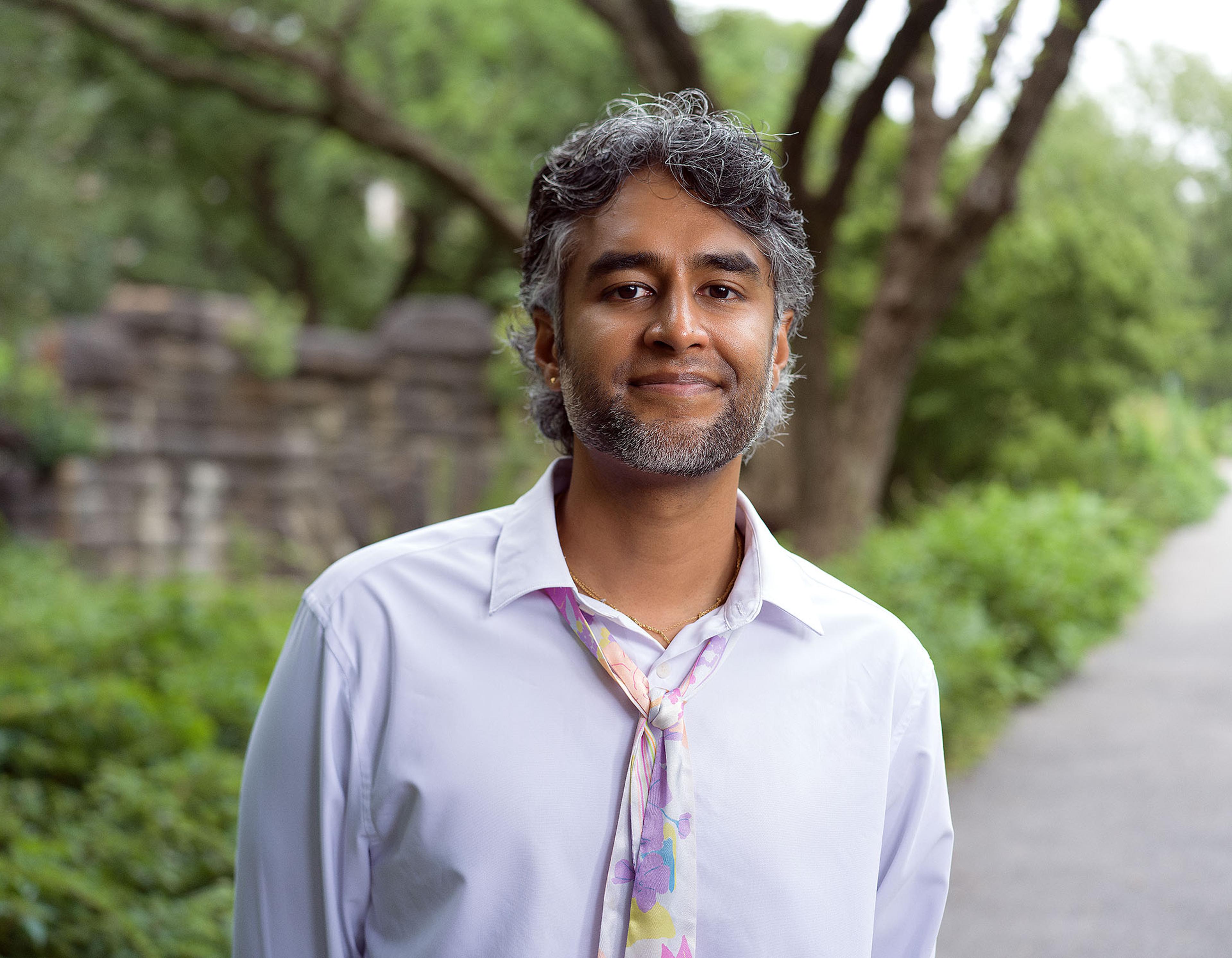
I'm Dr. Kavin Fatehchand, an MD-PhD psychiatrist practicing in Manhattan. I evaluate, diagnose, and treat adult ADHD in person — Union Square and the Upper West Side.

- Same-week appointments available
- Complex cases welcome
- Adults & Teens
- Now accepting new patients
- Diagnosis and treatment, one doctor
Training & Credentials Psychiatry ResidencyNYP-Columbia
 Instructor in PsychiatryColumbia University
 MD & PhDOhio State
 Partner PracticeCaroline Fu Psychiatry
Psychiatry ResidencyNYP-ColumbiaInstructor in PsychiatryColumbia UniversityMD & PhDOhio StatePartner PracticeCaroline Fu PsychiatryInsurance & ReimbursementPlease note that our clinic does not accept insurance. We are out-of-network.
ADHD Evaluation vs. ADHD Testing
The Direct Route to an ADHD Diagnosis in NYC
A psychiatrist can diagnose ADHD and treat it in the same relationship. For adults, neuropsych tests are often overkill.
So much of adult ADHD care in New York has been reduced to the same script: a 15-minute appointment, a checklist, a stimulant, done. I work differently.
Real attention struggles deserve real treatment, and anxiety, trauma, or sleep can often look exactly like ADHD. A psychiatrist is best equipped to figure it out.

Need Urgent Assistance?
Visits & Fees
Transparent fees$850 initial evaluation
$500 hour-long follow-up
$400 medication visit
Out of NetworkWe are not contracted with any health insurance providers
Superbills providedMany PPO plans reimburse 60–80% of their allowed amount after your deductible
A Physician-Only Group Practice
Physicians Trained at Harvard, Columbia, and Tufts
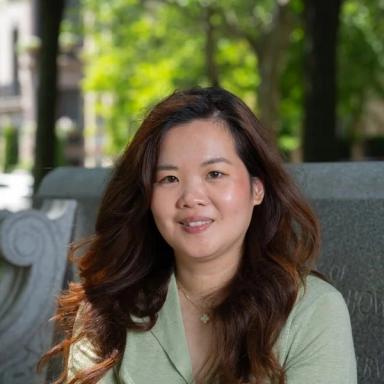
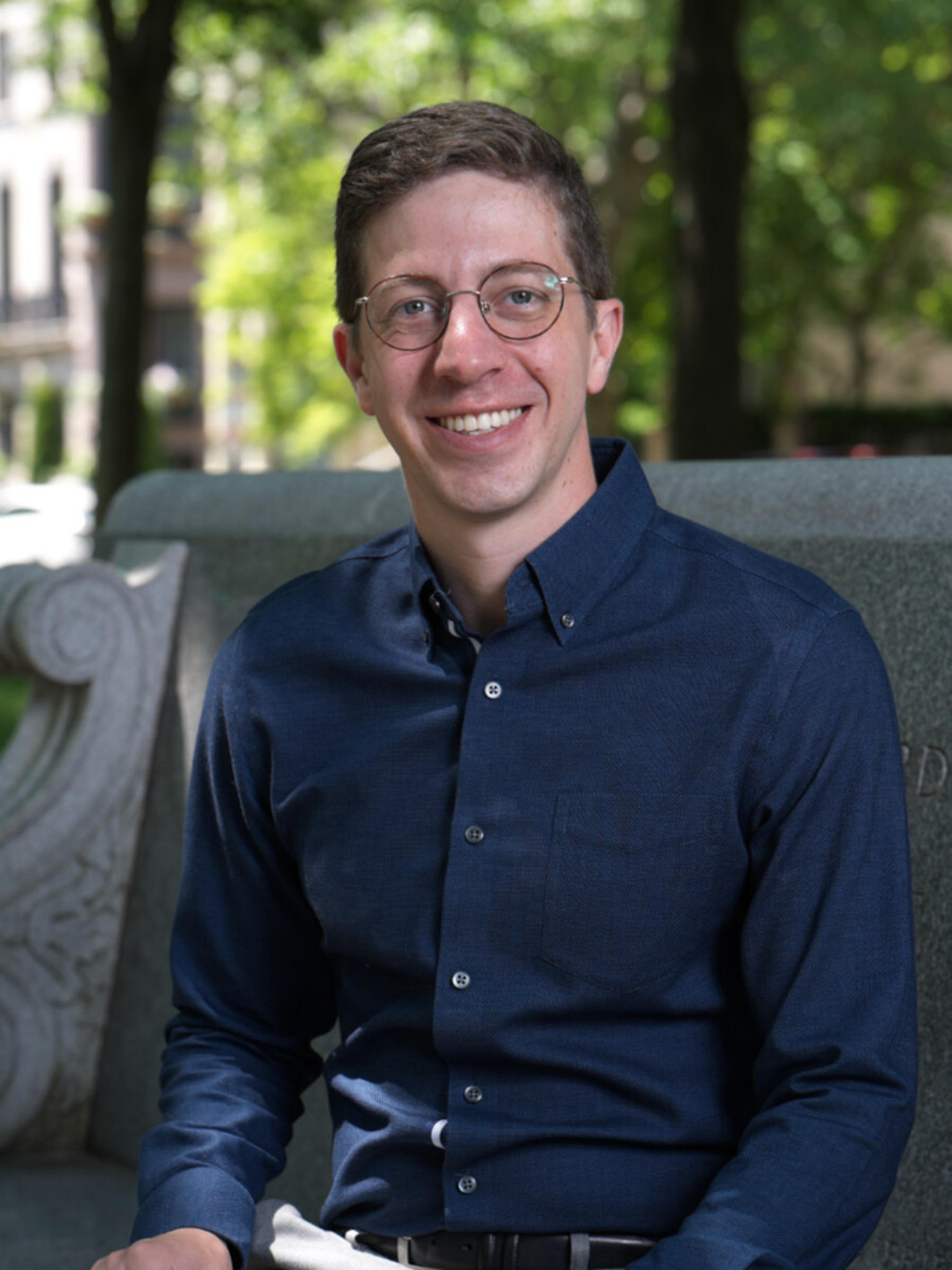
Dr. Kavin's NYC practice is part of Caroline Fu Psychiatry — a small group where every clinician is a physician, not a marketplace of prescribers.
Offices in New York and Boston, one standard of care.

The Difference
Three Things I Do Differently
Before we ever talk about a prescription, I want to understand what's actually driving this — and stay with you as it changes.
Online screeners catch a lot of false positives — in one study, roughly 90 percent of adults who screened positive didn't meet criteria once we sat down for a structured interview. I take a full history and use validated rating scales to understand your whole story, not a checklist. Sometimes an honest evaluation concludes it isn't ADHD — that's not a failure, it's the evaluation working.
A first visit long enough to actually understand you, not just screen you — and follow-up that stays with the story as it shifts. Adult ADHD looks different at thirty than at fifty. The time to notice that is the whole point, not a rushed fifteen-minute check.
Before I add anything, I want to understand the drivers. Medication is one tool — never a standalone fix — paired with behavioral strategies and structure that make ADHD treatment actually hold. And when a pharmacy is out of your usual prescription, I plan ahead — formulation equivalents, alternatives — so you're not stranded.
What I Help Adults Make Sense Of
The many ways adult ADHD shows up in a real life in NYC.
Hyperactive, impulsive, and combined
High-functioning professionals and masking
Women and underdiagnosis
Missed in adults who did well in school
The meeting you can't hold onto
When anxiety, depression, or substance use ride along
ADHD evaluation vs. ADHD testing in NYC
Stimulant vs non-stimulant options
Navigating shortages and controlled-substance rules
Second opinions and switching
Worried you'll be treated like a drug-seeker
Questions Before We Begin
Reach Out To Learn More
Maybe you're weighing a private ADHD assessment in New York, or you want a second opinion because the plan you're on isn't fitting your life. Switching to a new psychiatrist doesn't mean starting over — bring your story, your history, whatever records feel relevant, and the questions you've been carrying. If "I'm exhausted from trying to hold it all together" sounds like you, that's exactly where we begin. Our first appointment is a conversation, not a checklist. No rush. If you're curious, let's talk.
About the Doctor
About Dr. Kavin Fatehchand
A physician who takes the time to understand what's actually driving this — and stays with the story long enough to watch how it changes.
I'm Dr. Kavin Fatehchand, MD, PhD — a psychiatrist in New York. I do both the evaluation and the ongoing treatment myself, so you're not handed off between a prescriber and a therapist who never speak. Before psychiatry, I completed a PhD, and that training left me asking one question everywhere: what's actually driving this? It's why I prescribe less-is-more — understand the drivers, then peel back rather than keep adding.
I'm a queer, South Asian physician, and I name that plainly — because representation is the first step. It's the first step, not an assumption: your story is yours, and I stay curious about it.
Medically reviewed by Dr. Kavin Fatehchand, MD-PhD — psychiatrist, New York City. Last reviewed August 2026.
The time to get it right, not a rushed script
"I finally want to get evaluated for real"
If you've suspected something for years and never had a doctor sit with the whole story, let's do that — carefully, at your pace, in conversation.
No rushing to a label. We start by understanding what's driving this, together.